








Sound Training. Stronger Site Practice.
Forklift Training in
Salisbury
Forklift training in Salisbury can help new and established operators gain the knowledge expected for responsible material handling. Learners may travel to FT4U’s Hampshire centre, or an eligible employer can ask about tuition delivered with its own truck and an area reserved for practical exercises.

Available Programmes
View forklift instruction plus access, lifting and workplace courses.
Meet The Provider
Read the story behind our independent training team.
Why Train Here
Approachable teaching informed by long-term experience.
Useful Safety Advice
Browse operator safety guidance for practical information.

Prepared For Different Working Environments
Build Skills Around The Equipment In Use
Businesses in and around Salisbury rely on lift trucks for storage, production, building projects, distribution and rural operations. The surroundings can range from organised warehouse aisles to exposed yards. Training should therefore establish strong operating principles while helping candidates recognise how conditions influence each task.
FT4U delivers courses from a dedicated centre in Eastleigh. Some employers may be able to host learning within their facility, provided that suitable machinery, space and site arrangements are available. The decision is made after considering the group, the truck and whether normal activity can be controlled for the duration.
The provider has been operating since 2006. Its family ownership is supported by an RTITB accreditation and a team whose combined experience exceeds 100 years. Recommendations are based on the candidate’s real background and intended duties, giving each enquiry a more relevant starting point.
Prepared Operators Handle Change Better
Strengthen Control In Unpredictable Conditions
A route that appears clear can quickly become busy, and a stable load can be affected by an unsuitable surface or hurried turn. Good training teaches operators to keep assessing the situation instead of relying on routine.

Check Before Moving
A thoughtful operator takes time to inspect the truck, consider the load and look around the planned route before beginning the task.
Adjust To The Ground
Indoor floors, yards and uneven areas do not offer the same conditions. Candidates learn that speed and technique must suit the surface.
Protect Shared Spaces
People working nearby may not appreciate a truck’s turning pattern or blind areas. Awareness and clear separation help reduce avoidable conflict.
Respond Without Rushing
Unexpected activity calls for a controlled reaction. Instruction reinforces the value of stopping safely and reconsidering the task before continuing.

From Training Need To Practical Plan
Organise The Right Course In 4 Stages
Begin with a clear explanation of the machine and the person who will operate it. FT4U can use those details to consider the appropriate course level, possible delivery settings and a quotation tailored to the request.


Define The Requirement
Explain which truck will be used, what tasks are involved and whether the enquiry concerns 1 person or a larger employee group.

Establish Current Ability
Outline the learner’s recent experience and any previous records. Mention periods away from driving or a move into a different operating role.

Prepare For Delivery
Once the recommended route is understood, the centre or customer site can be considered and suitable dates discussed with the team.

Demonstrate The Standard
Candidates work through the relevant learning and complete required assessments before successful results and records are issued.

5 STAR
Google customer ratings

100+ YEARS
Shared operational experience

RTITB
Provider accreditation

NORS
Included on relevant training

From New Starter To Regular Driver
Use Experience To Set
The Starting Level
Course selection should reflect what the candidate can demonstrate today. A beginner requires a full introduction, while a regular operator might need experienced or refresher instruction. Conversion learning serves another purpose when the intended truck differs from the category already known. FT4U will discuss these distinctions before recommending an option.
Initial training builds understanding before workplace habits form
Refresher learning concentrates attention on technique and judgement
Equipment conversion addresses controls and behaviour that have changed
Choose The Place, Prepare The Site
Consider How The Venue
Will Affect The Course
Candidates need enough time and space to learn without pressure from surrounding work. The Eastleigh centre is arranged specifically for instruction. An employer location can be used only when the chosen truck and training area are appropriate, with other operations managed to protect everyone involved.
A novice programme introduces the principles that sit behind every safe movement. Candidates progress from understanding the equipment to practising under supervision. This route suits people without relevant experience and avoids the risk of building later learning on techniques they have copied informally from colleagues.
Experienced candidates may already handle a particular category regularly but lack recognised records. Their previous use needs to be current, relevant and substantial enough for the proposed route. The team will ask what they have operated and in which environments before deciding whether this option is suitable.
Conversion learning supports an operator who has competence on 1 machine but must move to another category. Differences in stability, directional control, sight lines or the way loads respond still require attention. Existing ability is acknowledged without assuming that every skill transfers automatically to unfamiliar equipment.
Refresher work can be arranged to revisit core standards and observe current performance. It may follow an employer review, a change in activity or time spent away from regular truck use. Explaining the background helps the instructor understand why further development has been requested.
Holding an earlier certificate does not guarantee that technique has remained sound. The candidate must still complete the applicable assessment. Constructive feedback gives them an opportunity to correct weaknesses and rebuild an approach based on observation, planning and controlled movement.
Good records make it easier to see which category each employee has covered. They can also show when learning occurred and whether later development has been completed. Employers should avoid treating all lift trucks as a single entry when equipment characteristics and operating demands vary.
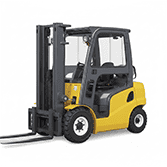
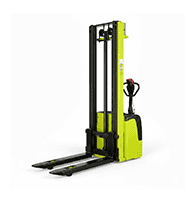
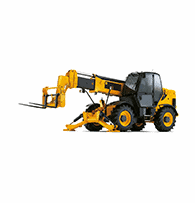
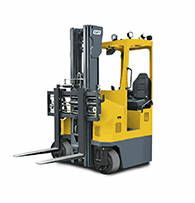
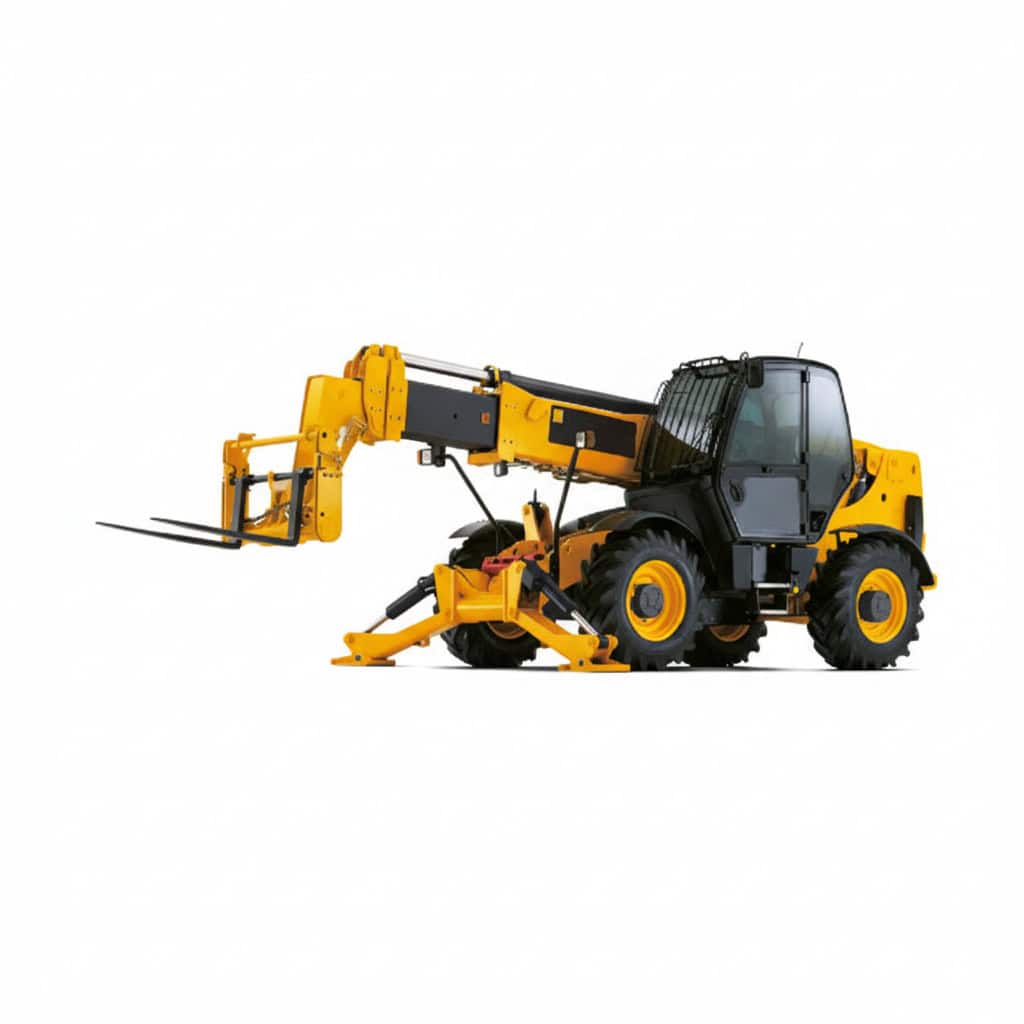
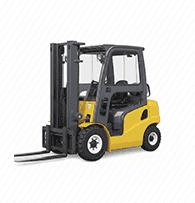
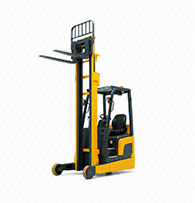
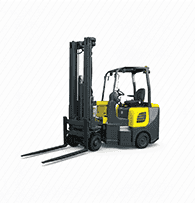
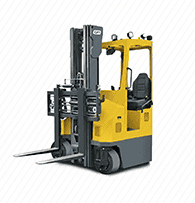
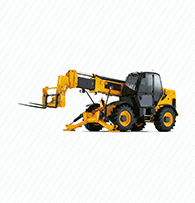
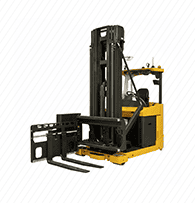
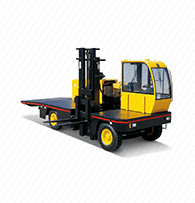
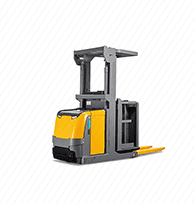
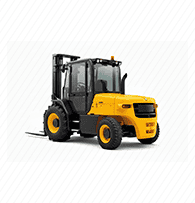
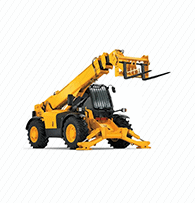
The FT4U course range includes commonly used counterbalance and reach trucks as well as specialist industrial equipment, rough terrain categories, access platforms and other workplace subjects. Identifying the precise machine enables the team to direct an enquiry towards the correct programme.
Training in Eastleigh provides a planned environment where the instructor can manage the pace of learning. The candidate is removed from normal production demands and the employer does not need to supply a truck. This can be a sensible choice for individuals or smaller requirements.
Employer-site delivery brings learning into the setting where the equipment is normally used. The machine must be safe and available, while a suitable area needs to be reserved. Staff movements and routine work may require temporary changes so candidates can complete exercises without interference.





Training Support For South Wiltshire
Operator Courses For Salisbury Workplaces
People seeking forklift training in Salisbury can discuss both centre attendance and suitable on-site delivery with FT4U. The available route will depend on prior experience, equipment category and the intended working situation. Supplying that information early helps create a focused recommendation rather than a generic booking. The same careful planning applies whether the enquiry concerns 1 learner or several employees.
Start A Conversation With FT4U
Arrange forklift training
for Salisbury teams
Tell us about the operator, machine and preferred location. We will consider the requirement and explain which course route may be appropriate.
Request a written quotation through the form or call to speak with the training team.
Call us:


