





Do You Need a Driving Licence to Drive a Forklift?
Do you need a driving licence to drive a forklift? You do not generally need a car driving licence to operate a forklift within a workplace, but you do need appropriate training and employer authorisation. Taking a forklift onto a public road introduces separate driving licence and vehicle requirements.
This distinction matters if you are applying for warehouse work, booking your first course or deciding who can operate equipment at your business. Having passed a car driving test does not qualify someone to use a lift truck.
This guide explains the difference between road licences, training certificates and workplace permission, helping you choose suitable forklift operator training. It draws on HSE guidance for Great Britain; Northern Ireland has separate regulatory arrangements.
Key Takeaways
- A car driving licence is not normally required for forklift operation within a workplace.
- Proper training is necessary even for occasional use.
- A forklift training certificate is different from a DVLA driving licence.
- Employers should authorise competent operators for specified equipment and work.
- Public-road use requires separate checks before any journey.
- Course entry requirements and individual job requirements should be checked before booking.
Do You Need a Driving Licence to Drive a Forklift at Work?
For workplace operation away from public roads, the answer is generally no. A warehouse worker who has never learned to drive a car can still undertake suitable forklift training.
The important question is whether the person can operate the equipment competently in that environment. A road licence does not establish this, and the absence of one does not automatically prevent it. Employers must consider the actual truck, tasks and workplace before allowing independent operation.
What Does HSE Say About Car Driving Licences?
HSE’s driver competence guidance states that a road driving licence is not legally required for workplace plant operation unless the vehicle is driven on the public highway. It also explains that there are no government-issued licences for workplace transport.
That answers the licensing question, but it is not permission to hand an untrained employee the keys. Training, competence and a safe system of work remain essential.
Why Does the Working Environment Matter?
Consider two jobs: moving pallets inside a controlled warehouse and travelling between premises using a public road. They may involve the same truck, but the second job adds road-use requirements.
Before accepting a role, ask where the forklift actually travels. A job description saying “yard work” may not explain every movement. Check whether duties involve leaving the premises, crossing a road or entering an area accessible to the public. Our forklift safety information provides further background for workplace discussions.
A Driving Licence, Training Certificate and Authorisation Are Different
People often use “forklift licence” as shorthand for several different things. Separating them makes it easier to understand what a course provides and what your employer still needs to arrange.
A Road Driving Licence Covers Vehicle Entitlements
A road driving licence records the categories of vehicle someone is entitled to drive, subject to applicable conditions. It is not evidence that they understand forklift stability, load handling or the operating controls of a particular truck.
Experienced car drivers can be complete beginners on forklifts. Treating familiar steering wheels and pedals as proof of competence can lead to misplaced confidence.
A Training Certificate Records Successful Training
A certificate normally identifies the operator and the training completed. Check the truck category, course level, assessment details and issuing organisation rather than relying on the word “licence”.
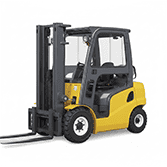
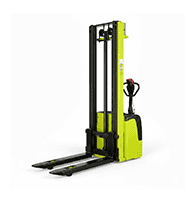
For example, counterbalance training relates to that truck category. It does not automatically demonstrate competence on a reach truck or other handling equipment. Keep certificates available when changing jobs, but expect the new employer to check their relevance.
Employer Authorisation Applies to the Work
After training, employers should give written authorisation covering the equipment and work the operator is permitted to undertake. Completing a course elsewhere does not automatically authorise someone to drive at a new site.
Ask who signs off that permission and what workplace preparation is required. This avoids arriving with a certificate and assuming that every truck in the yard is available to use.
What Training Do You Need Without a Car Licence?
The training route should reflect your forklift experience and intended work. Not holding a car licence does not, by itself, determine the course level. Someone with no forklift experience should explain that clearly when enquiring.
Start With the Correct Truck Category and Course
A novice course gives beginners time to develop the required knowledge and practical skills. A refresher is intended for people with relevant previous training and experience, so it should not be treated as a cheaper beginner option.
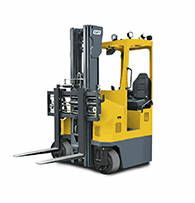
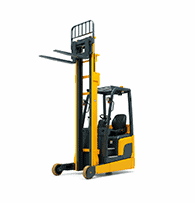
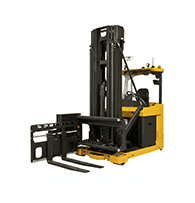
Choose the category used in your intended role. Compare reach truck training for relevant warehouse duties with pivot steer training where that equipment is used. Ask the employer for the truck make, model and category if the vacancy is unclear.
Before paying, confirm what instruction, assessments and certification the booking includes. Explain any learning support needs in advance so the provider can discuss suitable arrangements. Practical preparation matters more than choosing the shortest advertised course.
If you are applying for work before booking, send the recruiter a short set of questions:
- Which truck category will I operate?
- Does the role involve any public-road driving or delivery duties?
- Is previous forklift training essential, or will the business train beginners?
- What evidence should I bring to an interview?
- Who arranges workplace familiarisation after recruitment?
These answers help you avoid paying for a course that does not match the vacancy. They also separate a genuine driving requirement from a general preference in an advert. If an employer requests a full driving licence, ask which duties require it rather than assuming the advert is wrong.
Keep a written record of the course details and the provider’s answers. That gives you something clear to compare when considering different training options.
Complete All Three Stages of Training
HSE’s L117 guidance describes basic training, specific job training and familiarisation. Basic training develops operating skills and knowledge. Specific job training addresses the equipment and tasks involved. Familiarisation puts those skills into practice at work under close supervision.
A useful booking question is: “Which stages will this course cover, and what will my employer need to complete?” For example, training away from the workplace cannot show a learner every local crossing, loading area or site procedure.
FT4U offers training for individuals and businesses. Explain your intended role when enquiring so the course discussion starts with the equipment and experience involved.
Do You Need a Driving Licence to Drive a Forklift on Public Roads?
Public-road operation is a separate matter. Do not assume workplace training is enough, or that a short journey creates an exemption from all road rules.
The business should establish the driver’s correct entitlement and the vehicle’s applicable road-use requirements before allowing the movement. The answer depends on the vehicle and circumstances, so avoid treating a standard car licence as universal permission.
Check the Driver and Vehicle Before Road Use
Use GOV.UK’s driving licence categories as a starting point for checking entitlement. Where the classification is unclear, obtain advice from DVLA and the vehicle supplier. The employer should also establish any applicable registration, insurance, tax and roadworthiness requirements.
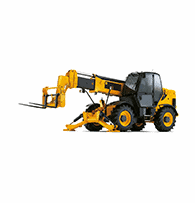
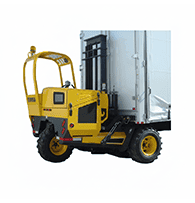
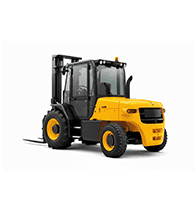
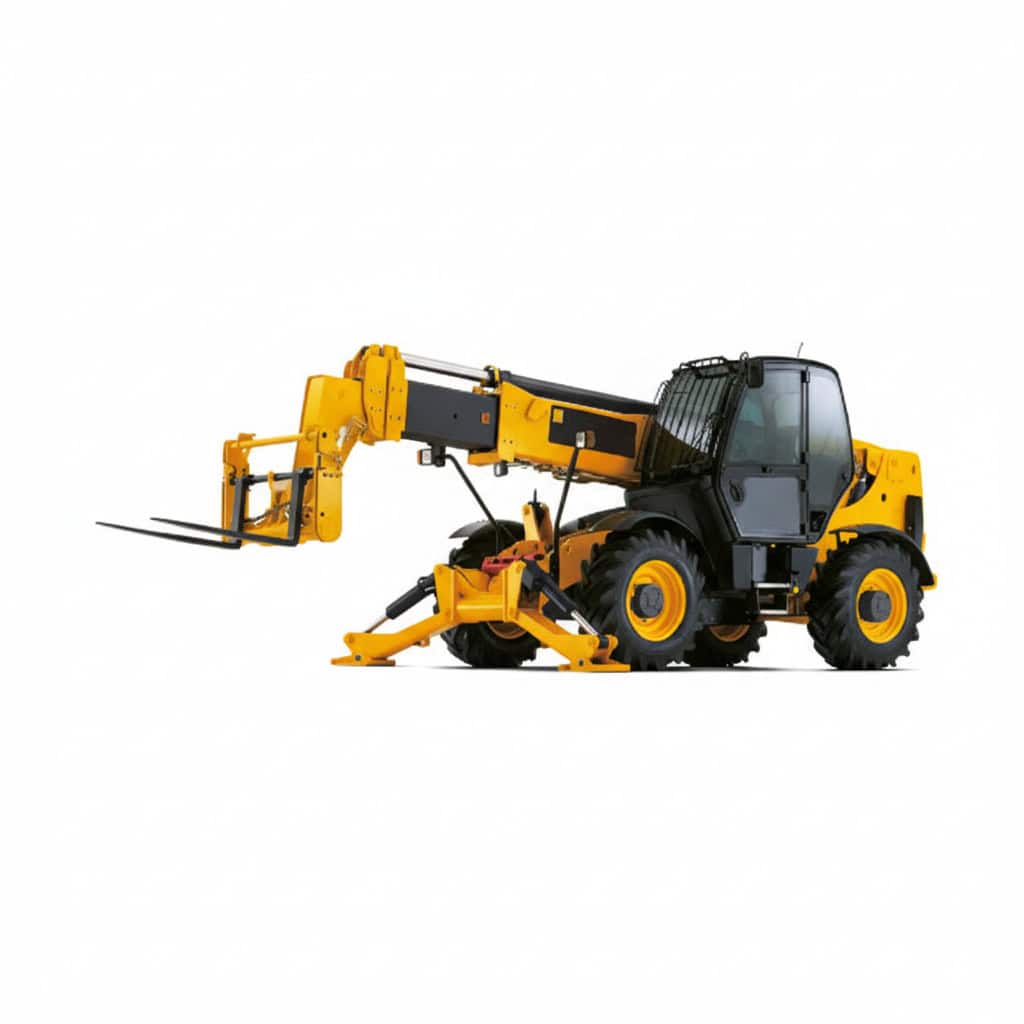
Make these checks when planning the task, not after an operator reaches the gate. The same principle applies when considering an industrial Teletruk or a rough terrain telescopic handler: identify the actual machine and proposed use.
Do Not Assume Private Ownership Settles the Question
The description “private land” should not replace checking how a route is used and whether road traffic rules apply. Shared access roads and areas used by the public need careful consideration.
If a route is uncertain, pause the proposed movement while the business checks it. Consider whether the job can be organised entirely within a controlled workplace instead. Operators should not be left to interpret the status of an unfamiliar road themselves.

What Should Employers Check Before Allowing Someone to Operate?
Checking a car licence alone tells an employer very little about someone’s readiness for forklift work. A better discussion covers previous training, the specific truck, workplace experience and any gaps that need addressing.
Document the checks and agree who will provide supervision. An operator should know both what they are authorised to do and when to stop and ask for help. This applies equally to permanent staff, temporary workers and people who only occasionally use the truck.
Verify Training, Suitability and Practical Competence
Review training records and assess whether they match the equipment and duties. Ask about time away from operating, unfamiliar attachments and changes in working conditions. A certificate should start that conversation rather than end it.
HSE’s PUWER overview explains the duties surrounding suitable equipment, maintenance, information and adequate training. Employers must address the working arrangements as well as the individual operator.
Maintain Standards After Authorisation
Monitor operating standards and act when unsafe practice appears. Refresher training or further assessment may be needed after an incident, a long break or a change in equipment or duties.
Where businesses provide instruction internally, forklift instructor training may support that approach. Employers should still ensure the instruction meets appropriate standards and addresses the actual work. HSE’s training provider guidance explains the available training arrangements and the role of voluntary accreditation.
Frequently Asked Questions
Can You Take Forklift Training Without a Driving Licence?
Generally, yes. Tell the provider that you do not hold a car licence and confirm its entry requirements before booking. Also check the employer’s requirements if you are taking the course for a particular vacancy. A job may include separate driving duties even when its forklift work stays indoors.
Does a Provisional Licence Qualify You to Operate a Forklift?
No. A provisional road licence does not demonstrate forklift competence or replace training. For workplace operation, the key checks concern suitable instruction, assessment and authorisation. For public-road use, the employer must separately establish the relevant driving entitlement and conditions.
Can You Drive a Forklift Without Training if You Already Drive a Car?
No. A car licence is not a substitute for forklift training. Lift trucks have different handling, stability and load-related risks. Even occasional operators need suitable preparation before independent work, and a colleague showing someone the basic controls is not an adequate substitute for a proper training programme.
So, do you need a driving licence to drive a forklift? Usually not for workplace-only operation, but you must still meet the training and authorisation requirements. Public-road duties need separate checks.
Explore available forklift courses or contact FT4U to discuss the truck category, your experience and the work you intend to do.




