


Other Training
WORKING AT HEIGHT
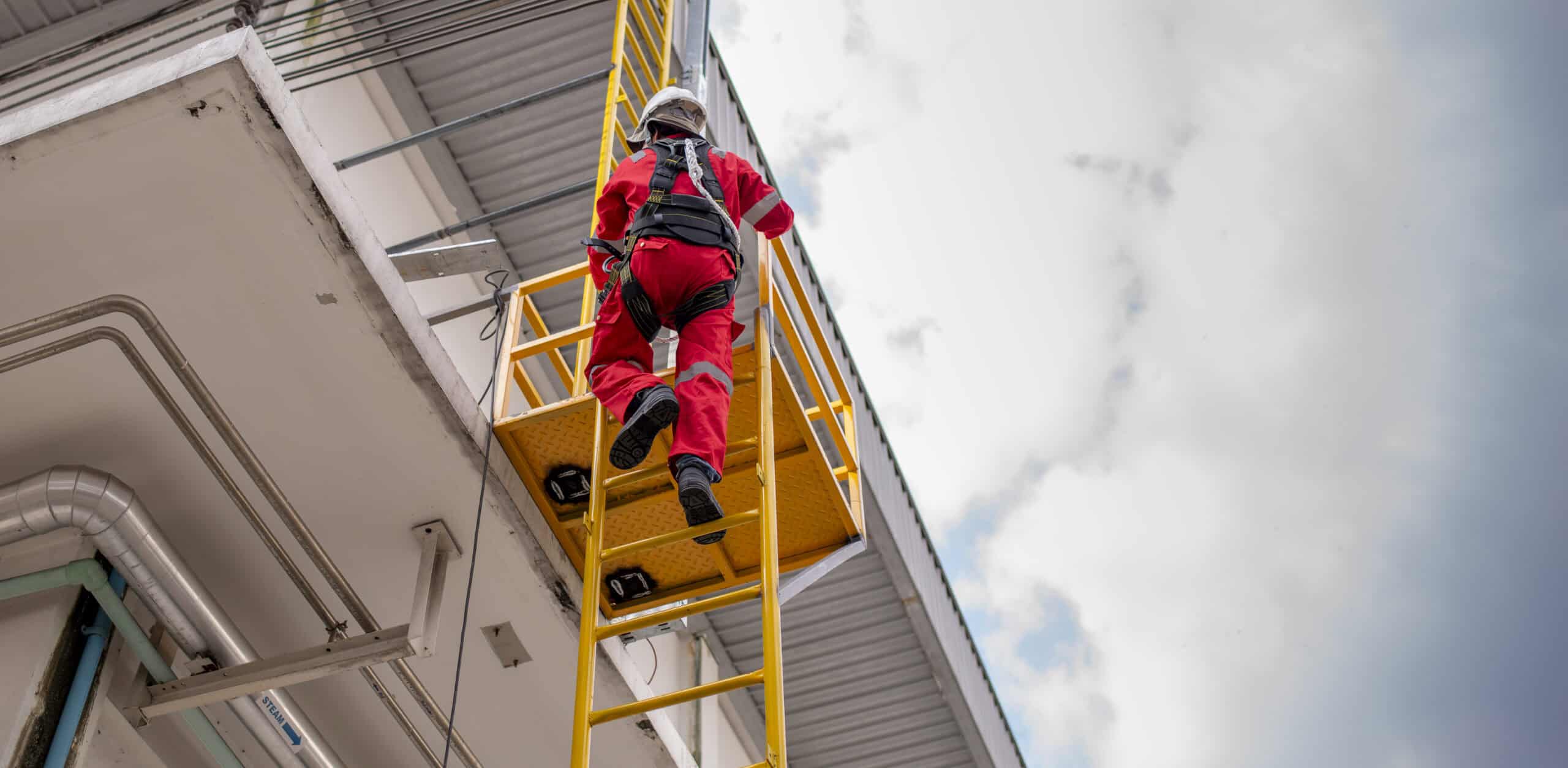
Working at height covers tasks carried out where a person could fall and be injured, including work on platforms, ladders, and raised surfaces. It applies across many industries such as construction, warehousing, and maintenance. Proper training helps reduce the risk of falls by promoting safe access, correct equipment use, and effective planning.
Whats Included?
- Safe use of ladders and access equipment
- Inspection and pre-use checks
- Safe working practices and exclusion zones
Courses Applicable
Novice

1 – 3 Candidates

1 Day
Experienced
1 – 3 Candidates
1 Day
Conversion
1 – 3 Candidates
1 Day
Refresher
1 – 3 Candidates
1 Day
Shift Your Career Into Gear.
Learn with industry experts and start your driving career with confidence.
Stop Accidents & Deaths
Under UK law, forklift operation is not just about skill – it’s a legal responsibility.
The main laws covering forklift operations include:


The most frequent forklift hazards include:
- Overturning – Often caused by sharp turns, speeding, or uneven ground.
- Collisions with pedestrians – A leading cause of workplace injuries when walkways aren’t clearly marked or drivers aren’t alert.
- Overloading or unstable loads – Loads that are too heavy or poorly stacked can tip, fall, or destabilise the truck. & More
RTITB Accredited & NORS Registered
All our accredited courses include NORS registration (National Operator Registration Scheme) – giving operators an official record of their training and proof of qualification that employers can easily verify.


What Makes This Important:
- Provides secure, centralised proof of training recognised across the UK
- Makes refresher training and re-certification easier to track
- Reduces admin for employers – no lost certificates or training records
- Shows compliance with industry standards and HSE expectations
5
Star
Reviews
100
Years Of
Experience
98%
Star
Reviews

Get In Touch
Book Your Forklift Training Course Today
Use our contact form below and we’ll be in touch ASAP.




