




What to Do After a Forklift Accident at Work
Knowing what to do after a forklift accident can protect injured people, prevent further harm and help an employer establish what went wrong. The first priorities are to stop the activity, make the area safe and arrange first aid or emergency assistance. The incident should then be reported, recorded and investigated without rushing the forklift back into service.
A calm, organised response also supports better forklift safety. Whether the event caused an injury, damaged racking or was a near miss, the aim is to deal with the immediate danger and reduce the chance of it happening again.
Key Takeaways
- Stop the forklift and control the area before another person or vehicle is exposed to danger.
- Call the emergency services when required and provide first aid within the responder’s level of training.
- Notify the responsible manager and make a clear factual record of the incident.
- Not every forklift accident is reportable under RIDDOR, but the responsible person must check the current criteria.
- Keep the forklift out of use until it has been inspected and any defects have been dealt with.
- Investigate immediate, underlying and root causes, then check that corrective actions work in practice.
What to Do After a Forklift Accident: Immediate Steps
Stop work and assess the immediate danger without putting yourself at risk. The forklift, an unstable load, damaged racking, leaking fuel or moving traffic may still threaten people nearby. Keep pedestrians and other vehicles away, and use the site’s emergency arrangements.
Every workplace should have a clear response plan. Operators and supervisors should know who to contact, where first aid equipment is kept and how to isolate the area.

Stop the Forklift and Make the Area Safe
If it is safe to do so, the operator should stop the truck, apply the parking brake, lower the forks and switch off the power. These steps may need to change if movement could cause a load to fall or place an injured person in greater danger. Nobody should attempt an improvised recovery or move damaged equipment simply to clear the route.
Create an exclusion zone around the scene. Keep people away from suspended or unstable loads, damaged storage systems and any spill. A competent person may need to assess racking or structures before anyone enters the area. Site-specific safety information should explain how alarms, barriers and emergency contacts are used.
Provide First Aid and Get Medical Help
Call 999 when an injury is serious, life threatening or beyond the help available on site. Give the emergency operator accurate information about the location, access point and known hazards. A trained first aider should assist within their competence and follow current first aid guidance.
Do not move an injured person unless remaining where they are presents an immediate danger, such as fire or a collapsing load. Keep them comfortable, monitor their condition and wait for professional help. Even where an injury initially appears minor, the employer should follow its first aid and occupational health arrangements and ensure the person receives appropriate assessment.
How Should a Forklift Accident Be Reported and Recorded?
Once the emergency is controlled, the incident should be reported through the organisation’s procedure. A prompt record helps preserve reliable details and enables managers to decide whether an external report is required.
Notify the Right Person
The operator or witness should contact the supervisor, site manager or other named responsible person as soon as possible. Agency workers, visiting drivers and contractors should also tell the person controlling the workplace as well as their own employer where relevant.
Initial notification should be factual. Include the location, time, people involved, type of truck, load and any continuing hazard. Avoid guessing about blame or causes before evidence has been gathered. If the incident affects a delivery area, production line or shared yard, managers should also communicate any temporary restrictions to the people who need to know.
Record the Details in the Accident Book
Injuries should be entered in the workplace accident book where one is required. Businesses should also record equipment damage, fallen loads and near misses under their internal arrangements. Useful details include the truck identification, task, travel direction, surface conditions, visibility, attachments and names of witnesses.
The record should distinguish known facts from later conclusions. Personal information must be handled appropriately, and medical details should not be shared more widely than necessary. Daily inspection sheets, maintenance records, training records and authorisation documents may also become relevant to the investigation.
Decide Whether RIDDOR Applies
Not every forklift accident must be reported to the Health and Safety Executive. Under RIDDOR, the employer, certain self-employed people or the person in control of the premises may be the responsible person. They must decide whether a work-related event resulted in a reportable death, specified injury, over-seven-day incapacity or another listed outcome.
The rules also cover specified dangerous occurrences, which are high-potential incidents that can be reportable without an injury. The categories and deadlines are precise, so the responsible person should use the current HSE RIDDOR guidance. An injured worker does not normally submit the employer’s RIDDOR report, although they should ensure the incident has been raised internally.
How Should a Forklift Accident Be Investigated?
An investigation should begin as soon as the emergency response allows. Its purpose is to learn what happened and prevent recurrence, not to settle immediately on the operator as the only cause. The depth of the investigation should reflect the actual and potential consequences.
Preserve Evidence and Establish the Facts
Where it is safe and lawful, preserve the scene long enough to document relevant conditions. Photographs, CCTV, sketches, measurements and separate witness accounts may show the truck’s position, load, route and surrounding hazards. Record weather and lighting where these could have affected visibility or surface grip.
Investigators may also review pre-use checks, defect reports, maintenance history, risk assessments, traffic plans, working hours and training records. Witnesses should be spoken to promptly and treated fairly. Open questions usually produce a clearer account than questions that suggest an expected answer.
Find Causes and Set Corrective Actions
HSE’s accident investigation guidance encourages organisations to consider immediate, underlying and root causes. An immediate cause might be a truck reversing into a pedestrian route. Underlying causes could include a blind corner, missing barrier or unsuitable delivery process. A root cause might involve weak planning, supervision or maintenance systems.
Corrective actions should address the findings and have named owners and completion dates. They might include repairing racking, redesigning a route, changing the load method, improving lighting or revising supervision. Update the risk assessment and safe system of work where necessary, communicate changes to affected people and later verify that the controls remain in place.
What Happens to the Forklift After an Accident?
The truck should not return to work merely because it still starts and drives. Isolate it, mark it as out of use and prevent unauthorised operation until a competent inspection confirms that it is safe.
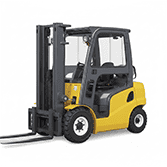
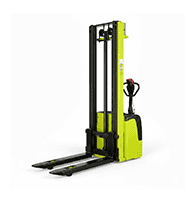
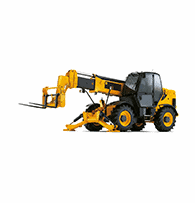
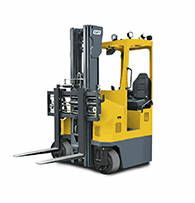
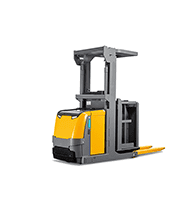
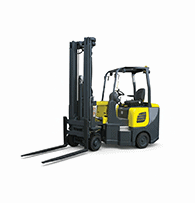
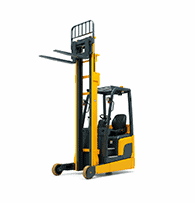
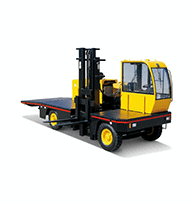
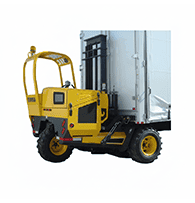
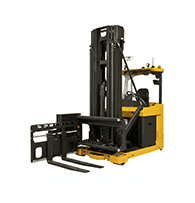
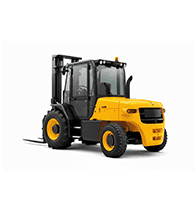
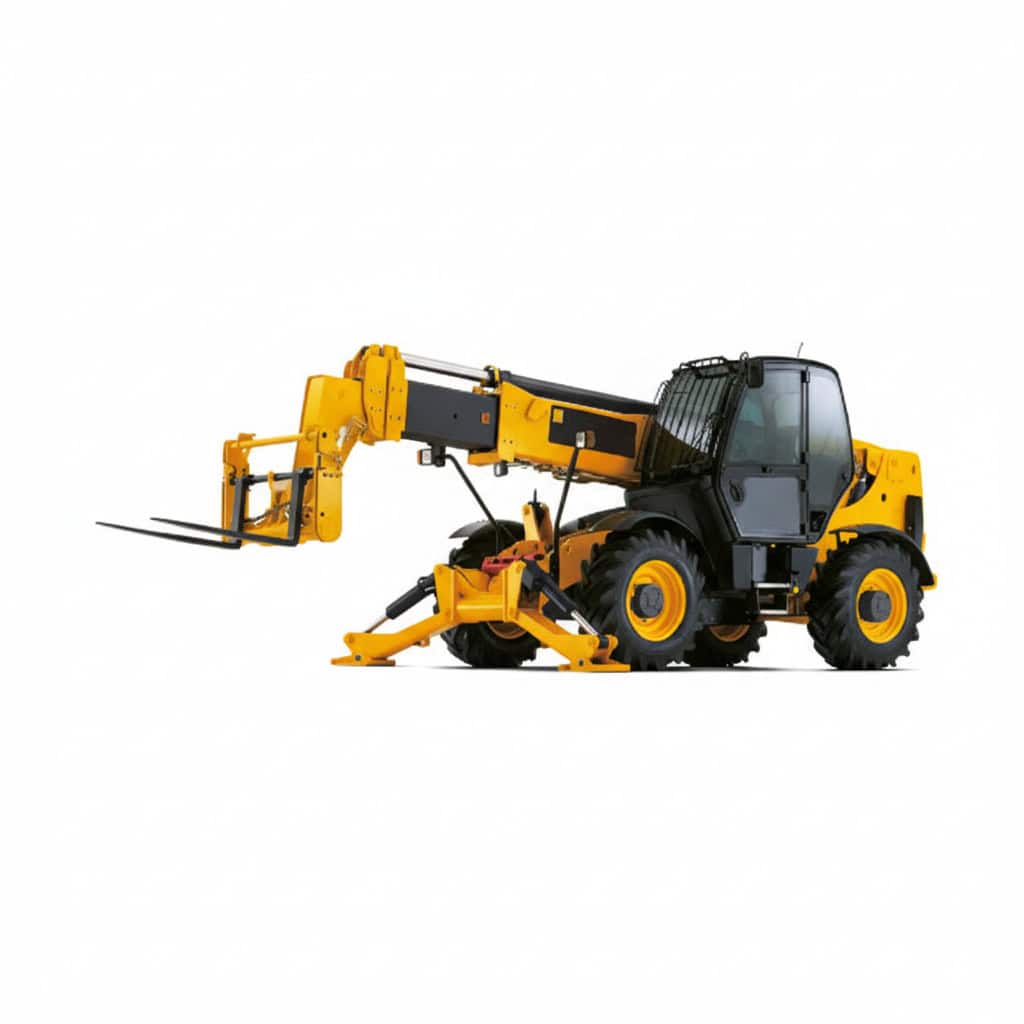
The same principle applies whether the incident involved a counterbalance forklift, a reach truck or specialist equipment such as an industrial Teletruk.
Isolate and Inspect the Equipment
Follow the site’s isolation and defect-reporting procedure. Keys or access devices may need to be controlled, and the truck should carry a clear notice showing that it must not be used. Inspection should cover any parts affected by the event, including forks, mast, chains, tyres, steering, brakes, restraint, guards, attachments and safety devices.
Under PUWER, work equipment must be suitable, maintained and used safely. Lifting components may also be subject to LOLER thorough examination. Routine servicing, pre-use checks and thorough examination have different purposes. A post-accident inspection should be appropriate to the damage or forces involved, with repairs completed before release.
Check the Workplace Before Restarting
Inspect the surrounding area as well as the vehicle. Racking, dock edges, doors, barriers and flooring may have suffered damage that is not immediately obvious. Fallen goods should be recovered using a planned method and suitable equipment, not by asking people to lift or climb unsafely.
Managers should authorise the restart only when the scene, truck and task are safe. Temporary arrangements need the same scrutiny as permanent ones. If a route is narrowed while repairs are underway, decide whether vehicle movements should stop or whether a properly controlled alternative can be used.
How Can Another Forklift Accident Be Prevented?
The investigation is valuable only when it leads to practical improvement. Actions should control the hazard at source where reasonably practicable, supported by clear procedures, competent people and consistent supervision.
Review Training, Competence and Authorisation
Check whether the operator received appropriate basic training, job-specific training and workplace familiarisation for the truck and task. Employers should maintain written authorisation and monitor performance. Completion of a course is evidence of training, but it is not a government-issued forklift licence and does not remove the employer’s responsibility to assess competence.
After an accident or near miss, reassessment or refresher training may be appropriate, particularly where unsafe practice or a knowledge gap is identified. There is no single legally fixed refresher interval for every operator. Suitable instructor training can also help businesses maintain standards. FT4U provides practical forklift operator training at its centre and suitable customer sites.
Improve Traffic Management and Supervision
Review how forklifts, pedestrians and other vehicles move around the workplace. Physical separation, barriers, controlled crossings, one-way routes, speed management and clear loading rules are generally stronger than relying on warning signs alone. Include unusual work, visitors, maintenance and busy periods in the assessment.
Housekeeping, lighting and floor condition also matter. Make sure pallets do not block sight lines or walkways, and address recurring damage before it becomes normalised. Where the investigation identifies unsafe lifting or recovery of goods, appropriate manual handling training may form part of a wider improvement plan.
Supervisors should observe work after changes are introduced and invite feedback from operators and pedestrians. Learn more about FT4U, or contact the team to discuss training requirements.
Frequently Asked Questions
Who Reports a Forklift Accident, and Does HSE Need to Know?
The operator or witness should report the event internally to the named supervisor or manager. For RIDDOR, the legal report is normally made by the responsible person, such as the employer or person in control of the premises. HSE only needs to be notified when the event meets a reportable category, not after every scrape, damaged pallet or minor collision.
Should a Forklift Near Miss Be Investigated?
Yes. A near miss can reveal the same control failures as an injury-causing accident. Recording and investigating it gives the employer an opportunity to act before someone is harmed. Only specified dangerous occurrences are reportable under RIDDOR, so internal recording and statutory reporting should not be confused.
Can an Operator Return to Work Immediately?
There is no automatic answer. The person’s health, the condition of the forklift, the investigation findings and the employer’s authorisation all matter. Medical assessment may be required after injury. The truck must be safe, and any identified competence issue should be addressed before operation resumes. Appropriate forklift training, reassessment or familiarisation may be part of that decision.


