









Forklift Refresher Training: When Do You Need It?
Forklift refresher training helps previously trained operators maintain their skills, correct unsafe habits and demonstrate that they can still operate safely. It may be needed after a long break, an accident or near miss, changes at work, or concerns about operating standards.
There is no universal legal rule requiring every operator in Great Britain to repeat training exactly every three years. Employers need a planned approach to monitoring competence, with further assessment and training when needed. A future refresher date should never delay action on an immediate concern.
Whether you operate a truck or organise forklift training for your workforce, this guide explains the timing, course content and practical booking questions. The HSE guidance referenced applies to Great Britain; Northern Ireland has separate regulatory arrangements.
Key Takeaways
- Refresher training is for operators with relevant previous training.
- There is no single statutory refresher interval for every workplace.
- Unsafe practice, incidents and time away can justify earlier reassessment.
- Training must match the truck category and the operator’s needs.
- A certificate does not replace workplace supervision and authorisation.
- Keep records of assessments, training and the next planned review.
What Is Forklift Refresher Training?
Forklift refresher training revisits the knowledge and practical skills needed to operate a lift truck. It gives an instructor an opportunity to identify gaps, explain corrections and assess performance.
For an experienced operator, the value is often in noticing habits that have become routine. Rushing observations, overlooking defects or taking familiar shortcuts may not feel unusual until someone checks them. A useful course addresses those habits and helps the operator return to work with a clear understanding of the required standard.
Who Is a Refresher Course For?
It is generally for people who have already completed relevant operator training. Providers will normally ask about previous certification, the truck category and recent operating experience before confirming suitability.
If you have never been trained, do not book a refresher simply because it is shorter. Explain your background honestly so the provider can identify an appropriate course. Someone with extensive informal experience may still have gaps that need more substantial instruction.
Refresher Training or Conversion Training?
A refresher revisits existing skills. Conversion training addresses a different truck type or attachment where additional instruction is required. These are different needs, even when the operator has years of experience.
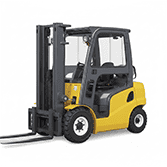
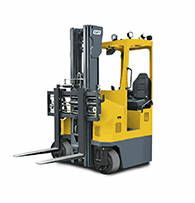
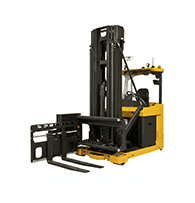
For example, moving from counterbalance work to a reach truck should prompt a discussion about reach truck training. Likewise, a new role using articulated equipment may require pivot steer instruction. Ask the provider to confirm the correct category before paying.
How Often Do You Need Forklift Refresher Training?
HSE’s lift-truck training guidance does not prescribe a fixed interval. It gives three to five years as an example of a planned refresher or retest policy, alongside continuing monitoring that can identify earlier needs.
Use a Planned Review Date
A scheduled review helps businesses organise cover, allocate training budgets and avoid losing track of operators. Record the chosen interval and the reasons for it, considering the work and assessment findings.
For example, a manager could review training records during regular workforce planning and reserve course places before busy periods. The review should also ask whether anything has changed since the previous assessment, rather than merely checking a date on a spreadsheet.
Understand Certificate and Registration Dates
A training certificate, scheme registration and employer authorisation serve different purposes. A renewal date may reflect a scheme requirement or company policy, rather than a universal legal expiry date for forklift skills.
Check the actual documents and ask the issuing provider what any stated date means. Do not ignore registration conditions, but do not assume an in-date certificate proves that every current task is safe either. Our guide to getting a forklift licence explains the distinction between training and workplace permission.
When Should Forklift Refresher Training Happen Sooner?
HSE’s forklift FAQs identify several reasons to reassess operators between planned reviews. The response should match the concern, rather than automatically waiting until the next scheduled course.
After Unsafe Practice, an Accident or a Near Miss
Repeated missed observations, poor load positioning or ignoring site procedures should trigger action. A supervisor should address the immediate risk and arrange competent assessment of any skill or knowledge gaps.
An incident should also prompt examination of the working conditions. Was the route obstructed? Was the load unsuitable? Did production pressure encourage a shortcut? Forklift refresher training can address operator shortcomings, but it cannot repair a damaged floor or separate pedestrians from vehicle routes.
Use workplace forklift safety guidance alongside the investigation. Record the corrective actions, who owns them and how their effectiveness will be checked.
After a Long Break or Infrequent Use
An operator returning after months away may need reassessment before resuming independent duties. Occasional users can also lose familiarity with checks, controls and handling techniques between shifts.
Tell the assessor how long the person has been away and what they previously operated. Returning to a familiar machine is different from returning to a redesigned warehouse with unfamiliar loads. Avoid using confidence alone as evidence that someone is ready.
When Equipment, Duties or the Workplace Change
New attachments, different loads, altered racking or revised traffic routes can introduce unfamiliar demands. Consider whether the operator needs refresher instruction, conversion training, specific job training or further familiarisation.
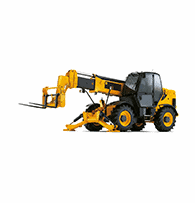
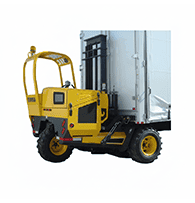
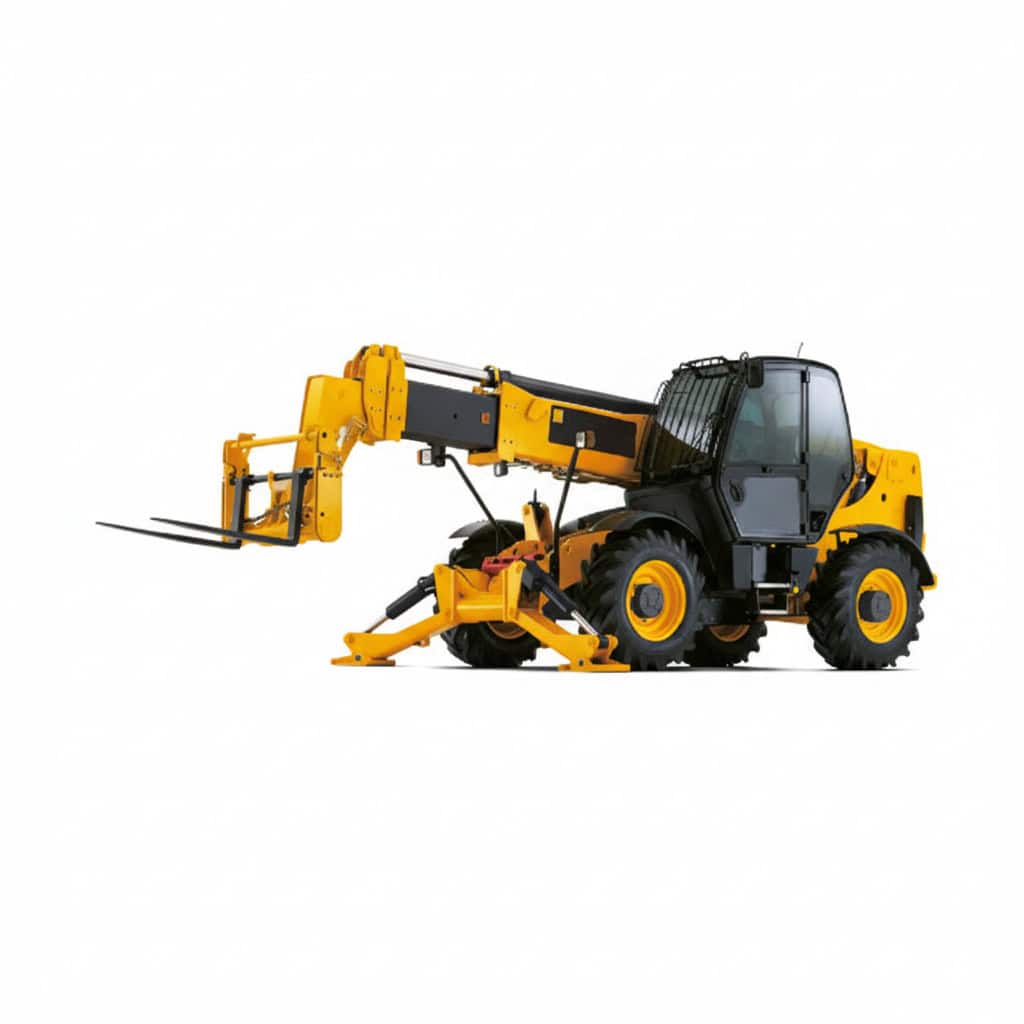
For instance, introducing an industrial Teletruk should lead to an equipment-specific training discussion. Give the provider the truck details and explain the proposed work, rather than requesting a generic renewal for everyone.
Consider a hypothetical warehouse where an operator’s next refresher is twelve months away. The business changes its storage layout and the operator starts struggling with the new stacking tasks. Waiting for the diary reminder would leave the difficulty unresolved. The supervisor should review the task, arrange suitable assessment and agree any instruction needed before the operator continues independently.
By contrast, another operator may handle familiar tasks consistently well but be approaching the company’s planned review date. That review still provides an opportunity to verify standards and discuss changes. The point is to use both scheduled reviews and observations from everyday work.
For either situation, give the instructor specific examples. “Needs forklift refresher training” provides less useful information than explaining the task, the observed difficulty and the conditions in which it occurs.
HSE’s L117 Approved Code of Practice and guidance provides the framework for operator training and safe use. Supervisors should understand the changes well enough to recognise where existing competence may no longer cover the task.

What Does Forklift Refresher Training Cover?
A suitable course combines a review of essential knowledge with practical instruction and assessment. The exact content should reflect the truck, the operator’s previous training and any shortcomings identified.
When booking forklift refresher training, explain what prompted the enquiry. An instructor can make better use of the session when they know about recurring difficulties, time away or a change in duties. Bring relevant training records and ask what equipment, clothing and identification you need on the day.
Safety Knowledge and Pre-Use Checks
Topics may include stability, capacity information, load handling, observation and the reporting of defects. Operators should understand why checks matter, how to recognise a problem and when a truck should not be used.
The course discussion should allow questions about uncertain situations. For example, a learner may understand a capacity plate in principle but struggle to apply the information when handling an unfamiliar load. Identifying that gap is more valuable than simply repeating a memorised answer.
Practical Operation and Assessment
Practical work can revisit manoeuvring, stacking, de-stacking and other relevant handling tasks. Assessment checks whether the operator can apply the required knowledge and skills, with further instruction where necessary.
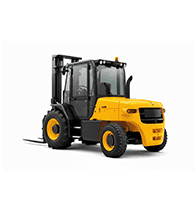
FT4U’s counterbalance course information lists theory testing and practical assessment alongside operating methods and pre-use checks. Ask how the refresher session will be adapted to your previous experience. Attendance alone should not be treated as a guaranteed successful outcome.
How to Arrange Forklift Refresher Training
Start with the operator’s records and the actual truck category. Then compare suitable operator training options, explaining whether you are booking for yourself or arranging a group through an employer.
Confirm Duration, Price and Course Suitability
The counterbalance refresher course is currently listed as one day for one to three candidates. However, the appropriate duration depends on the operator’s needs. Confirm suitability rather than assuming one day will resolve every gap.
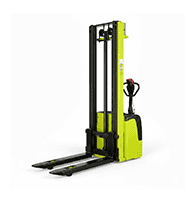
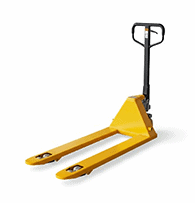
For other equipment, such as an electric pallet or stacker truck, check the relevant course details. Ask for a written quote covering training, assessment, certification, VAT where applicable and any additional charges.
Before booking, confirm:
- The truck category and evidence of previous training required.
- The number of candidates and practical training arrangements.
- What happens if further instruction or reassessment is needed.
- Whether the course is at a centre or a suitable workplace.
- Which documents will be issued after successful completion.
Saturday refresher options are also advertised for individuals. Ask about current availability and eligible truck categories if weekday attendance is difficult.
Record the Outcome and Review Authorisation
After forklift refresher training, retain the results and note any outstanding actions. Review whether further workplace instruction is needed before confirming the operator’s authorised duties.
HSE’s driver competence checklist explains the importance of training records and written authorisation. Businesses providing instruction internally can also explore forklift instructor training while ensuring their arrangements meet the required standards.
The employer’s responsibilities extend beyond certificates. HSE’s PUWER overview covers adequate training, suitable equipment and maintenance. Keep operational controls under review alongside the training programme.
Frequently Asked Questions
Is Forklift Refresher Training Required Every Three Years?
There is no universal statutory three-year interval in Great Britain. Employers should monitor competence and arrange assessment or training when needed. A company or registration scheme may specify its own renewal arrangements, so check those requirements and act sooner if concerns arise.
Can You Complete Forklift Refresher Training Entirely Online?
Online learning can support knowledge revision, but it does not by itself demonstrate practical operating competence. Ask how the provider assesses hands-on skills and corrects unsafe habits. Select a course that addresses practical needs rather than relying solely on an online completion certificate.
What if You Have Lost Your Previous Certificate?
Contact the original provider, previous employer or accrediting body about obtaining evidence. If records cannot be recovered, explain this before booking so assessment and training needs can be established. Do not assume you qualify for a refresher without discussing your history.
To arrange forklift refresher training, explore our forklift courses for businesses and individuals or contact FT4U with your truck category, previous training details and preferred dates.


