




How to Get a Forklift Licence in the UK
Learning how to get a forklift licence starts with choosing the right truck category and training course. You then complete instruction and assessments, receive evidence of successful training and complete the workplace requirements before operating independently.
Although people commonly call it a forklift licence, there is no government-issued licence equivalent to a car driving licence. What you normally receive is a training certificate. Your employer must still ensure you are competent and authorised for the work.
This guide helps you compare forklift training options, understand the process and avoid booking the wrong course. The regulatory guidance referenced is from HSE for Great Britain; Northern Ireland has separate arrangements.
Key Takeaways
- Choose training for the truck you intend to operate.
- Beginners should discuss a novice course, not a refresher.
- Expect theory, practical instruction and assessments.
- Compare the full course package, including certification and any additional charges.
- A training certificate does not replace workplace familiarisation and authorisation.
- Continuing competence matters after you pass.
How to Get a Forklift Licence: The Main Steps
The route is straightforward: identify the truck, confirm your experience level, choose a suitable provider, complete the course and pass the required assessments.
Afterwards, keep your certificate and training records safe. Before working independently, complete the necessary job-specific training and workplace familiarisation, then obtain employer authorisation. Booking a course is the start of the process, so check what the provider delivers and what must happen at work.
Understand What a Forklift Licence Actually Means
The phrase is useful when searching for courses, but it can cause confusion. A certificate shows that you successfully completed particular training. It is not permission to operate any forklift, with any attachment, in any workplace.
HSE’s lift-truck FAQs explain that there is no state training system equivalent to road driving. Ask providers exactly which truck category and training stages their certificate covers.
Decide What You Want to Use the Training For
If your employer is arranging training, ask which truck you will use and what loads you will handle. If you are funding it yourself, review relevant job advertisements and note the equipment employers request.
For example, a vacancy asking for reach experience may not be satisfied by counterbalance training alone. Contacting the employer before booking can prevent an expensive mismatch. Reading introductory forklift safety information also helps you understand the responsibilities involved.
Choose the Right Truck and Course Level
Forklift courses are not interchangeable. Both the equipment and your previous training affect the route that makes sense for you.
Match the Truck Category to the Job
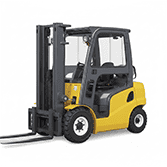
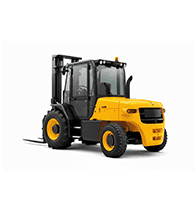
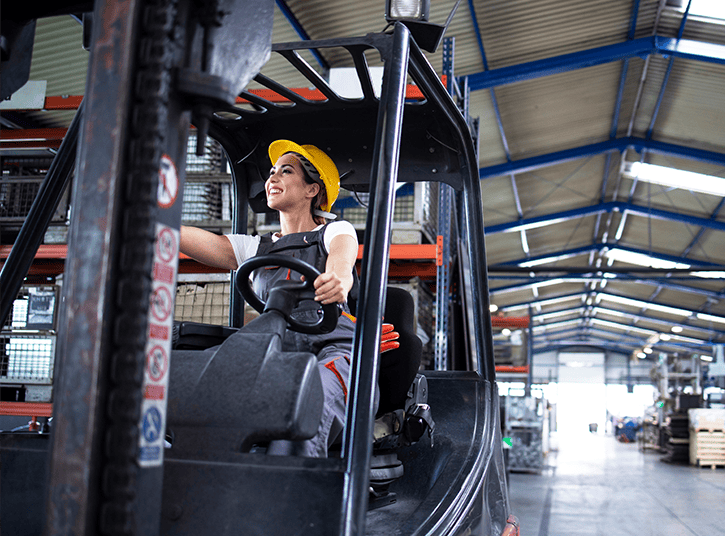
Counterbalance training covers the familiar truck with forks at the front and a rear counterweight. These trucks are used in many loading and materials handling roles.
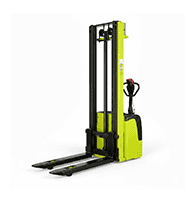
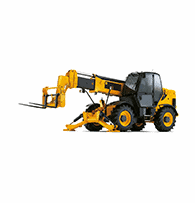
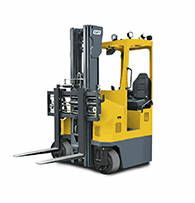
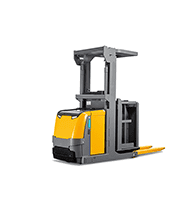
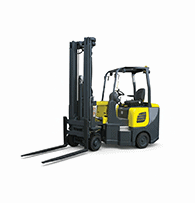
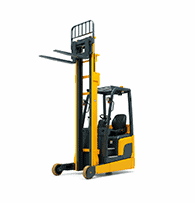
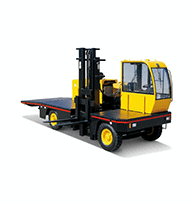
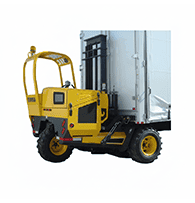
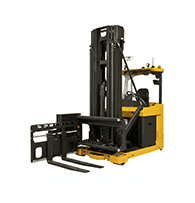
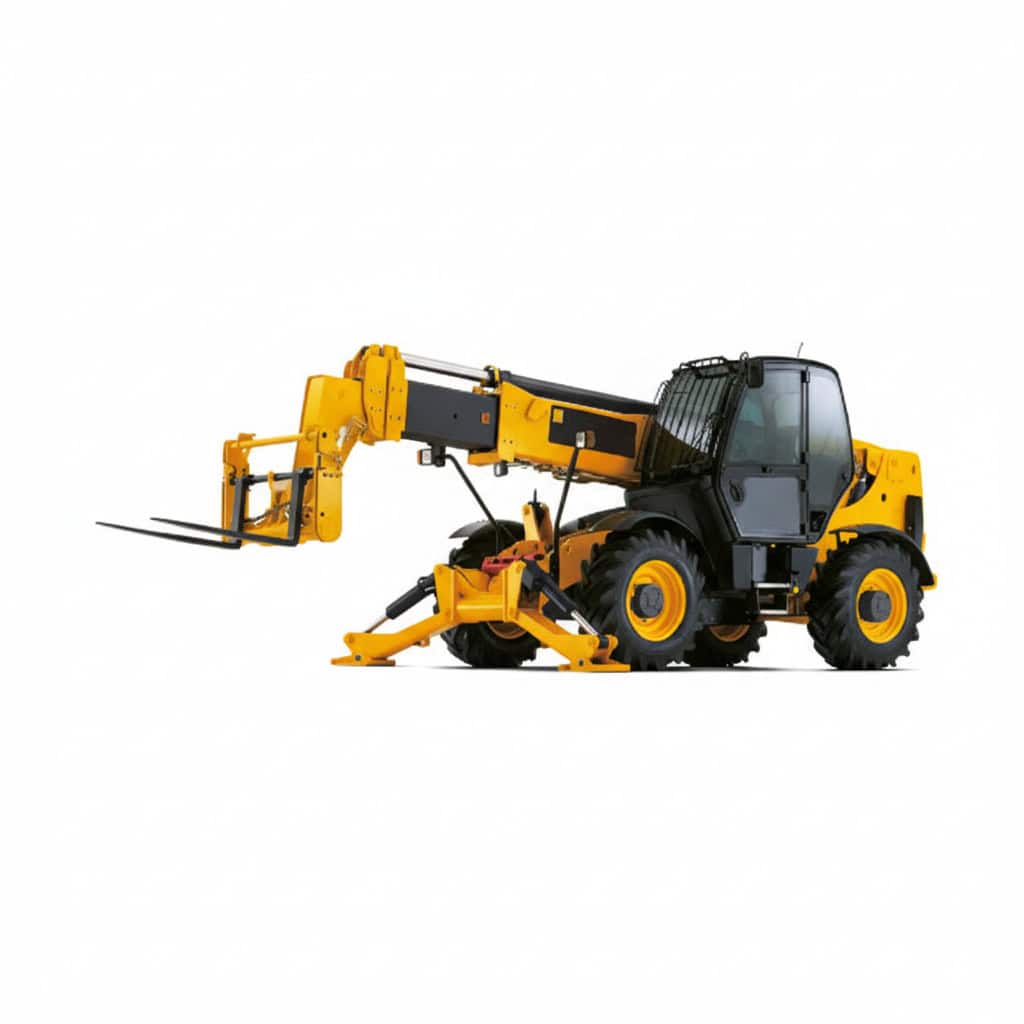
Reach truck training relates to equipment commonly used for warehouse racking. Other workplaces may need pivot steer training or instruction for specialist machines such as an industrial Teletruk.
Do not choose by appearance alone. If you can, give the provider the truck make, model and attachment details. This lets them check the proposed training against the equipment you expect to use.
Explain Your Experience Honestly
Novice courses are intended for people with little or no relevant operating experience. Experienced operator courses may suit people with previous experience who need formal training and assessment. Conversion courses address a change to another truck category or relevant attachment.
Refresher training is for previously trained operators who need their skills reviewed and updated. It should not be selected simply because it is the shortest option.
Send copies of existing certificates when asking for advice. Explain when you last operated, which equipment you used and whether anything has changed. The provider can then recommend a route based on evidence.
Check Entry Requirements and Choose a Provider
Before paying, confirm that the course suits your circumstances and that you understand the practical arrangements.
Discuss Age, Fitness and Learning Support
HSE says operators should be over minimum school leaving age, with a minimum age of 18 in ports. Employers have additional responsibilities for young workers. Providers and employers may also set entry conditions, so check directly rather than assuming every course accepts the same ages.
Discuss anything that could affect participation, including access needs, language support or a health condition relevant to operating safely. Do this early so appropriate arrangements can be considered.
Ask what identification, clothing and protective equipment to bring. Confirm the start time, location and attendance requirements. Missing part of a practical course may affect whether you can complete it as planned.
Check Accreditation and What Is Included
HSE’s accreditation guidance explains that voluntary schemes help maintain standards and help employers select training. Accreditation is useful evidence to consider, but it should be checked against the actual course being offered.
Ask who accredits the course, what assessments are included and what documents you receive after passing. Confirm any registration arrangements and whether the provider offers the truck category you need.
Review the training provider’s background alongside these details. A clear explanation of course content and suitability is more useful than a promise that everybody passes.
How Much Does Training Cost and How Long Does It Take?
When researching how to get a forklift licence, cost and time are often the next questions. Both depend on the course, equipment, experience level and training arrangements.
Allow Enough Time for Your Course
At the time of writing, FT4U’s counterbalance course durations are listed as 3–5 days for novices, 2–3 days for experienced operators, 1–2 days for conversion and 1 day for refresher training. These are published course ranges, not a universal timetable for every truck or learner.
Confirm the duration before arranging leave or travel. Ask whether the days run consecutively and whether assessments take place within the advertised period. If training is held at your workplace, the provider will also need suitable equipment and space.
Compare the Total Price Before Booking
There is no single national forklift training fee. The published counterbalance page does not provide a price, so request a current quote for your circumstances.
When comparing offers, ask whether the quoted amount includes:
- The full training programme and assessments
- Certificate and any registration charges
- VAT, where applicable
- Required equipment or protective clothing
- Any retest or additional training fees
Also check cancellation and rescheduling terms. Two prices may cover different truck categories, attendance periods or certification arrangements. A short written breakdown makes the comparison clearer.
For example, a low headline price for refresher training is not a useful comparison with a novice course. You would be comparing different levels of instruction for different starting points. Ask each provider to quote against the same brief: your experience, the equipment category, the number of learners and whether training will take place at a centre or on site.
If you are paying personally, include travel and any lost working time in your budget. Ask your employer whether they will arrange training before paying independently. Never assume a course will be reimbursed without agreement.

Complete Training, Pass the Tests and Prepare for Work
A suitable course combines knowledge with supervised practice. You should understand why safe methods matter, then demonstrate that you can apply them.
Ask questions whenever something is unclear. Instructors need an accurate picture of your progress, and there is no benefit in hiding uncertainty. The aim is to build competence for the relevant truck and tasks, with assessments confirming that the required standard has been reached.
What Happens During Training and Assessment?
Course content depends on the category. For counterbalance training, the published programme includes truck stability, pre-use checks, controls, safe manoeuvring, stacking, loading and theory and practical assessment.
Prepare by reading joining instructions and bringing any requested information. During practice, focus on understanding the instructor’s feedback rather than memorising a route. Observation, control and safe decisions need to remain consistent when the task changes.
If you do not meet the assessment standard, ask what further instruction and reassessment are needed. Confirm any additional cost or attendance requirement. Passing should demonstrate competence, not simply attendance for a set number of days.
What Happens After You Pass?
HSE training guidance describes 3 stages: basic training, specific job training and familiarisation. Check which stages have been completed and arrange anything outstanding with your employer.
Familiarisation applies learning to the real workplace under close supervision. It should cover local routes, loads, operating conditions and procedures. Under the L117 Approved Code of Practice, employers should give written authorisation once the required training is completed satisfactorily.
Keep your certificate details accurate and retain a copy. Check your name, truck category and training dates. FT4U states that its accredited courses include NORS registration; confirm the arrangements for the particular course you book.
If you move jobs, show your records to the new employer. They still need to consider your competence and the risks at their site. Previous authorisation does not automatically carry over to a new workplace.
Suitable forklift operator training gives you a foundation, while workplace instruction turns that foundation into safe everyday practice.
Frequently Asked Questions
Can I Get a Forklift Licence With No Experience?
Yes, beginners can take suitable novice training. Tell the provider you have no previous operating experience so they can recommend the right course. Before booking, check that the truck category matches your intended work and that you can attend the full programme.
Can I Get a Forklift Licence Entirely Online?
An online awareness course alone cannot demonstrate practical operating competence. Appropriate practical training and assessment are needed for the truck. If a course includes online learning, ask how supervised practical instruction and testing are delivered before paying.
Does a Forklift Licence Expire?
There is no single statutory expiry period that applies to every training certificate. Employers must monitor competence and arrange reassessment or refresher training when needed. HSE identifies changes in work, unsafe practices, incidents and periods without operating as reasons to review training.
Check any scheme, employer or registration renewal dates separately. A certificate’s age alone does not establish whether you can safely perform a particular job.
Will Passing Guarantee Me a Forklift Job?
No course can guarantee employment. Employers may also consider experience, availability, the equipment used and other job requirements. A relevant certificate helps demonstrate your training, but it is only one part of an application.
Now you understand how to get a forklift licence, the next step is to confirm the truck category and course level you need. Review the available forklift courses and prepare a short summary of your experience.
Contact the training team to confirm suitability, dates, current prices and what your chosen course includes.




