




Forklift Conversion Training: When Do You Need It?
Forklift conversion training helps an operator who has already been trained on one type of lift truck develop the skills needed for another. Existing experience is useful, but it does not automatically transfer to different steering systems, controls, load handling arrangements or attachments.
If your workplace is introducing new equipment or you are moving into a different role, check your training needs before operating the truck. The right forklift training course should reflect what you have already learned and what you will be expected to do next.
This guide explains when conversion is appropriate, how it differs from refresher training and what to confirm before booking. The regulatory guidance linked below applies to Great Britain.
Key Takeaways
- Training on one truck type does not qualify you to operate every other type.
- Conversion builds on relevant previous training and experience.
- Refresher training addresses continuing competence on equipment already covered.
- Different models and attachments also need a review of training needs.
- Course completion must be followed by the necessary workplace arrangements and authorisation.
What Is Forklift Conversion Training?
Forklift conversion training focuses on the differences between equipment an operator already understands and the truck they need to use next. It provides structured learning and assessment instead of relying on a quick demonstration from a colleague.
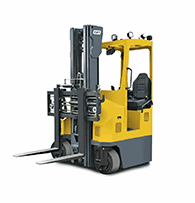
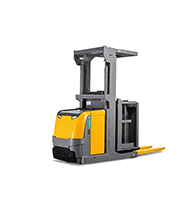
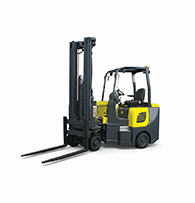
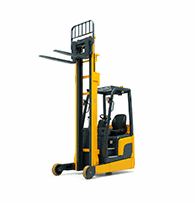
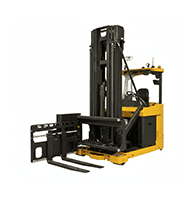
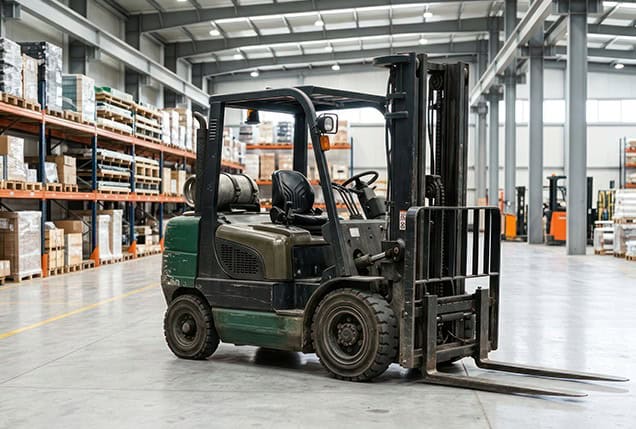
For example, someone trained on a counterbalance truck may need conversion before operating a reach truck. Both handle pallets, but that shared purpose does not make their operation interchangeable. Our counterbalance vs reach truck guide explains the equipment differences that can influence your training choice.
Building on Previous Training
A conversion course recognises relevant learning while addressing the skills needed for the new equipment. The provider needs an accurate picture of your background, including which trucks you have operated and when you last used them.
Describe your practical experience as well as your certificates. Someone who regularly handles pallets in a warehouse may have different learning needs from someone who completed training but has rarely operated since. Course selection should reflect both.
Why Experience Alone Is Not Enough
HSE’s lift-truck training guidance states that operators trained on one truck type or handling attachment need additional conversion training before safely operating others on which they have not been trained.
Being confident with familiar controls does not demonstrate competence on unfamiliar equipment. Ask for instruction when a control, operating characteristic or limitation is unclear. Production pressure should never become a reason to skip that discussion.
When Do You Need Forklift Conversion Training?
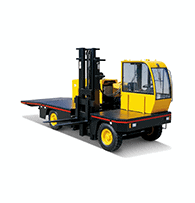
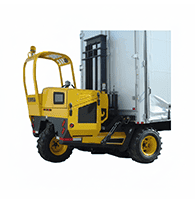
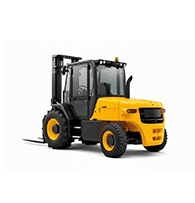
Moving Between Counterbalance, Reach and Pivot Steer Trucks
A move between truck types is a clear reason to review training. An operator moving from a reach truck to a counterbalance truck, or from either to a pivot steer truck, needs preparation for the different equipment.
The published counterbalance courses, reach truck courses and pivot steer courses each include a conversion option. Tell the provider which truck you currently use and which one you need to learn. This is more useful than simply asking for an additional forklift certificate.
Consider a warehouse adding a reach truck for its racking operations. A counterbalance operator should not start using it independently because they already know the building. Their knowledge of the site helps, but equipment competence still needs to be established.
Introducing Different Attachments or Operating Characteristics
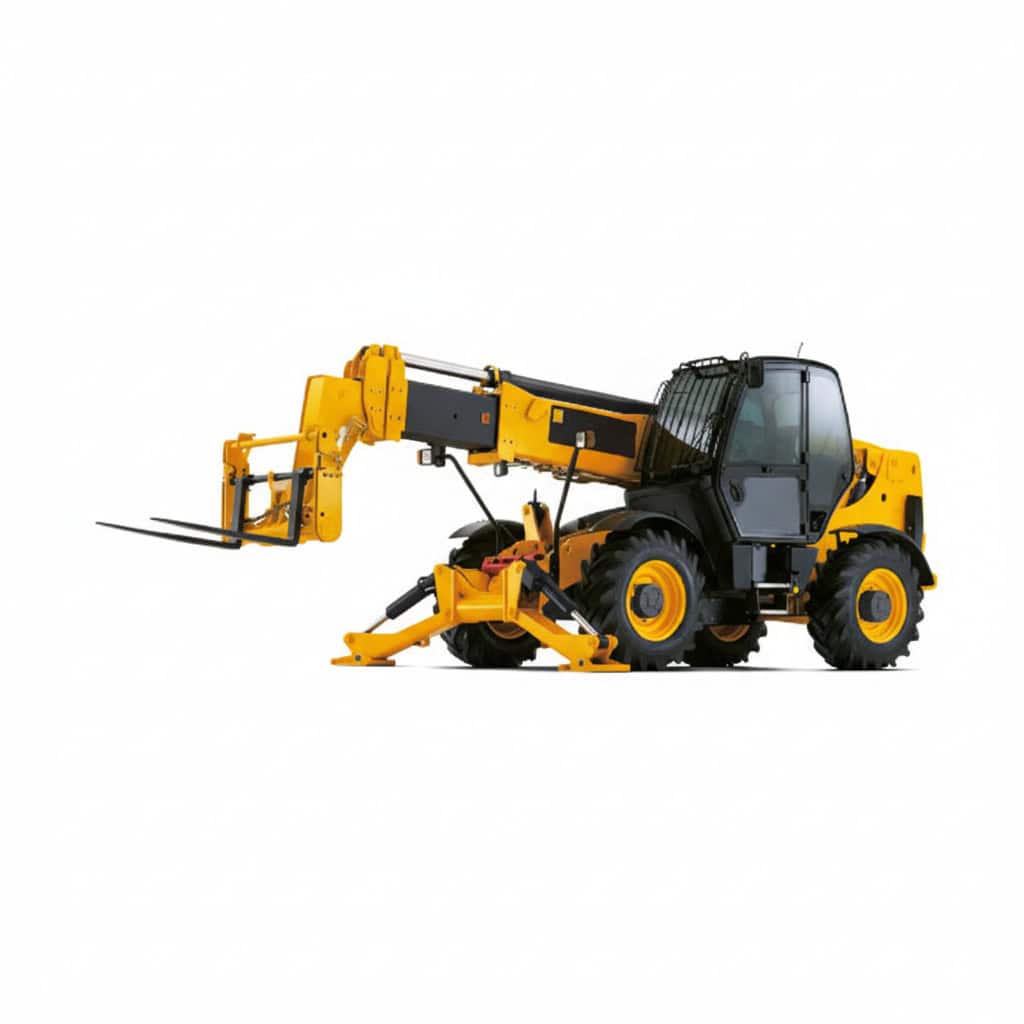
A familiar truck fitted with unfamiliar load handling equipment can introduce different controls, visibility and capacity considerations. Tell the training provider about attachments when describing the planned work.
A change within the same general truck type also deserves attention. Different controls, dimensions, power sources or operating positions may require additional instruction and supervised practice. The appropriate response depends on the actual differences and the operator’s competence.
Do not assume every model change needs an identical formal course. Equally, do not assume the same category name makes further training unnecessary. Have the differences assessed before use.
Changing Jobs or Workplaces
A new employer does not automatically mean you need forklift conversion training. If the equipment remains within your demonstrated competence, the immediate requirement may be job training and workplace familiarisation.
However, a new role can involve different trucks, loads or attachments. Compare the intended duties with your records before deciding. Useful questions include which equipment is involved, what previous training covers it and what supervised preparation remains necessary.
Keep general forklift safety guidance alongside this review, particularly where the new workplace has different pedestrian routes, loading areas or storage arrangements.
Conversion, Refresher or Novice Training?
Conversion and Refresher Training Serve Different Purposes
Forklift conversion training develops competence on different equipment. Refresher training revisits existing skills, addresses unsafe habits and helps maintain safe performance. Booking a refresher on a familiar truck does not establish competence on another type.
An operator may need both kinds of support. For example, someone returning after a long break and changing trucks should explain both circumstances rather than choosing a course solely by its name. Read our refresher training guide for the reasons employers review continuing competence.
HSE’s lift-truck FAQs identify breaks from operating, unsafe practices and changes in work as reasons reassessment may be appropriate.
Beginners Need an Appropriate Starting Point
Conversion is not a shortcut for somebody with no relevant previous training. A complete beginner should discuss novice training. Someone with operating experience but no formal training should explain that background so the provider can recommend a suitable route.
The important distinction is what you can demonstrate, not how quickly you want to finish. Review the available operator training options and let the provider assess suitability before making arrangements with your employer.

What Does a Conversion Course Involve?
Forklift conversion training combines relevant knowledge with practical instruction on the equipment being introduced. Expect to discuss unfamiliar features, practise under supervision and demonstrate the required skills through assessment.
Bring details of your previous training and intended work so the instructor can understand your starting point. Ask questions early, especially where a familiar habit may not suit the new truck. Our guide to the forklift test and preparation explains the assessment areas learners commonly encounter, although the applicable arrangements depend on the course and equipment.
Controls, Checks and Safe Load Handling
The published course outlines cover equipment checks, controls, stability, manoeuvring and load handling. These subjects need to be applied to the truck used during training rather than treated as facts already mastered on another machine.
During practice, ask which differences deserve particular attention. Explain anything that feels unfamiliar, including positioning or judging clearance. A useful learning habit is to note one difference after each exercise and discuss how it changes your decisions.
HSE’s L117 guidance provides the broader framework for rider-operated lift-truck training and safe use. Reading guidance supports learning, but cannot replace supervised practical instruction.
Course Duration and Assessment
FT4U’s counterbalance, reach and pivot steer pages each list conversion courses lasting 1–2 days for 1–3 candidates. Those are published course arrangements, not a guarantee that every operator or equipment change can be covered in the same time.
Confirm the suitable duration when booking. Relevant experience, learning needs and the equipment involved should inform the decision. The course outlines include a theory test and practical assessment, so attendance alone should not be confused with successful completion.
Ask what evidence you receive after passing and which truck category it records. The website states that accredited courses include NORS registration. Confirm the accreditation and registration arrangements for your particular booking.
What Should Employers Arrange Before and After Training?
Check the Equipment and Training Requirements
Before arranging forklift conversion training, identify the proposed truck, relevant attachments and the work it will perform. Give the provider enough information to recommend a suitable course rather than asking them to work from an incomplete job title.
Prepare the following details:
- The operator’s previous certificates and training records.
- Truck types used and how recently they were operated.
- The new equipment’s make, model and attachments.
- Typical loads and the intended working environment.
- Candidate numbers and any learning support requirements.
- Whether training is requested at a centre or at your premises.
HSE’s PUWER overview explains the requirement for adequate training in equipment use, associated risks and precautions. Selecting a course is part of meeting that responsibility, alongside suitable equipment and safe working arrangements.
Complete Workplace Familiarisation and Authorisation
Passing forklift conversion training does not remove the employer’s responsibilities. The operator still needs the necessary specific job training and familiarisation before independent work. Record what has been covered and identify any restrictions.
HSE’s driver competence guidance explains that employers should provide written authorisation after the required training stages. Training evidence supports that decision, but is not itself unrestricted permission to operate.
Supervisors should check how the operator applies the new skills during normal work. Encourage questions and respond to difficulties before they become routine shortcuts. Keep records accessible so future changes in duties can be reviewed against reliable information.
Keep Training Records Useful
Record the equipment covered, assessment outcome and any further workplace training completed. When planning holiday cover or changing shift duties, check those records instead of assuming that every forklift operator can cover every machine.
For example, a supervisor arranging cover for a reach truck operator should identify someone with the appropriate training and authorisation. If nobody suitable is available, organise the necessary preparation before assigning the work. Planning training for your operators around expected equipment changes helps avoid last-minute pressure to use an unprepared person.
Frequently Asked Questions
Can Conversion Training Take Place at Your Workplace?
The website offers training at the Eastleigh centre and at eligible workplaces across its service area, where suitable equipment and training space are available. Confirm whether your chosen course can be delivered at the proposed location.
For workplace training, discuss how the training area will be kept clear of operational pressures and unauthorised access. Agree practical arrangements with the provider before allocating staff or equipment. Having a truck available does not automatically make the site suitable.
What If You Cannot Find Your Previous Certificate?
Explain the situation before booking forklift conversion training. Contact your original provider, former employer or accrediting body to ask about replacement evidence. Do not assume an employer’s recollection will provide everything the new provider needs.
Be ready to describe the original course and your subsequent operating experience. The provider can explain what evidence or assessment is needed to establish an appropriate starting point.
To arrange forklift conversion training, contact FT4U with details of your existing training and the equipment you need to operate. A clear starting point helps the team recommend the right course and practical next steps.


