







Forklift Test: What to Expect and How to Prepare
Your forklift test checks whether you understand safe operating principles and can apply them on the equipment you have been trained to use. It commonly includes theory, a pre-use inspection and a practical assessment. Knowing what each part involves can help you arrive prepared and make better use of your training.
This guide explains what learners can expect, how to revise and which habits deserve particular attention. Assessment arrangements depend on the truck category, training scheme and course, so confirm the details with your provider. Suitable forklift operator training gives you the foundation to approach assessment confidently.
Key Takeaways
- Expect assessment of your knowledge, inspection skills and practical operation.
- Train on the truck category relevant to your intended work.
- Practise under appropriate supervision and act on instructor feedback.
- Ask your provider about assessment rules and any support you need.
- Passing basic training does not replace workplace familiarisation and employer authorisation.
What Does a Forklift Test Involve?
A forklift test brings together the knowledge and skills developed during your course. You need to understand hazards, recognise equipment problems and operate the truck safely while completing the assigned tasks.
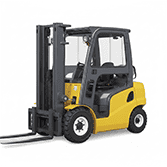
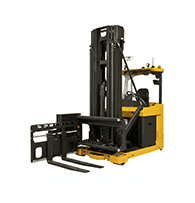
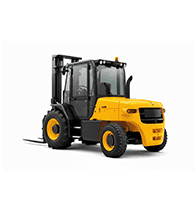
Assessment should relate to the equipment you are learning to use. For example, counterbalance training prepares you for a different truck design from reach truck training. Ask which category your course covers and how the assessment will be explained before you begin. The following stages describe the usual areas assessed, rather than a universal examination format.
Theory and Safety Knowledge
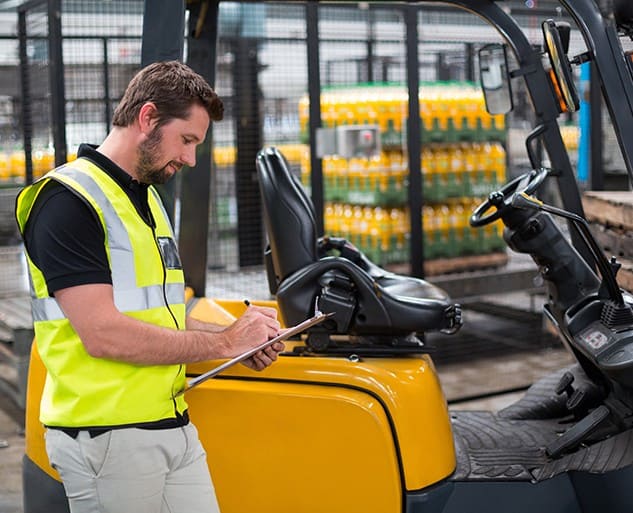
The theory element checks your understanding of safe operation. Topics can include stability, load capacity, pedestrian risks, operating procedures and reporting defects. You should understand why a precaution matters, rather than simply remember an answer.
RTITB’s counterbalance training materials include associated knowledge, pre-use inspection and practical assessment documents. Your provider should explain the applicable question format, marking arrangements and any essential knowledge requirements.
Pre-Use Inspection
You may be asked to demonstrate checks and explain what you would do if something were wrong. This requires observation and judgement, not just naming components.
Revise the inspection sequence taught for your truck. Consider how you would describe a defect clearly to a supervisor, record it and prevent unsafe equipment being used. Follow the relevant instructions rather than treating a generic online checklist as sufficient for every model.
Practical Operating Skills
The practical forklift test assesses how you control the truck and handle loads. Tasks can include manoeuvring, positioning, stacking, depositing a load and parking. Observation, control and safe decisions matter throughout.
HSE’s L117 guidance includes an appendix on tests of operator skills. Your instructor will explain the exercise and assessment criteria for your course. Do not assume a route shown in an online video will match your assessment.
How to Prepare for Your Forklift Test
Choose Training That Matches Your Experience
Tell the provider honestly whether you are a complete beginner, an experienced operator without formal training or someone changing equipment. These starting points need different training arrangements. Booking the shortest course without considering your experience can leave important gaps.
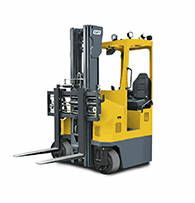
If your intended role involves high racking, discuss reach truck training. Work using an articulated truck may require pivot steer training. A pass on one type should not be treated as permission to operate every truck.
Before booking, ask what practical time, assessment and certification the quoted course includes. Discuss any previous certificates and the tasks your employer expects you to perform.
Revise the Reasons Behind Safe Decisions
Use your course notes and instructor’s learning materials as your main revision resources. Make a short list of topics you cannot yet explain clearly, then ask for help before assessment day.
Try these original practice prompts. They are revision exercises, not official examination questions:
- Why can a change in load position affect stability?
- What should happen if a defect makes the truck unsafe?
- What would you do if someone entered your operating area?
- Why must the truck’s capacity information match its configuration?
Explain your reasoning aloud. If you can only recall a phrase but cannot explain the decision, revisit that topic. The forklift safety information page provides a useful starting point for wider reading.
Prepare a simple revision schedule across the days available. Spend one session reviewing inspection terminology, another explaining load handling principles and another checking any feedback from practical lessons. Short, focused sessions make it easier to identify what you still need to ask. Finish each session by writing one example of how the topic affects a real operating decision.
Use Supervised Practice Effectively
Ask your instructor which skills need the most attention before your forklift test. A specific question, such as whether your positioning is consistent, is more useful than simply asking whether you are doing well.
Keep a brief learning record after each session: one improvement, one remaining difficulty and one question for the next lesson. Practise only within the supervised training arrangements. Do not borrow workplace equipment for extra practice without the necessary permission and controls.
HSE’s lift-truck training guidance explains the importance of basic training, specific job training and familiarisation. Assessment is part of that learning process, not a substitute for sufficient instruction and practice.

What Should You Expect on Assessment Day?
Arrive in time to settle in, confirm the arrangements and ask any final questions. Bring the identification, clothing and protective equipment requested by your provider. Avoid guessing what will be supplied.
Before the forklift test begins, listen carefully to the briefing. Make sure you understand the task and how to request clarification. If something is unclear, ask before proceeding. Preparation through suitable practical forklift training should help you recognise the equipment and procedures, although assessment still requires your own safe decisions.
Confirm Support and Practical Arrangements
Tell the provider in advance about any reading, language or accessibility support you may need. Ask which arrangements are available within the assessment scheme. Raising this early gives the provider time to respond appropriately.
Check the start time, location, breaks and any documents required. If you feel unwell or believe medication could affect safe participation, inform the provider before operating equipment. Do not conceal a concern because you are worried about missing the assessment.
Pack your essentials the evening before:
- Booking confirmation and requested identification.
- Any previous training documents the provider has requested.
- Required footwear and other specified protective equipment.
- Glasses or other aids you normally need for the activity.
- A written note of any outstanding questions.
These small preparations reduce avoidable distractions. Check travel arrangements as well, especially if the training takes place at an unfamiliar industrial site with its own arrival procedures.
Work Methodically During Assessment
Concentrate on the current task rather than trying to predict your result. Follow the procedures you have practised and keep observing the surrounding area. If conditions change, respond safely.
Do not assume that one hesitation means you have failed, or that you can recover from a mistake by rushing. The assessor applies the relevant criteria. If you are unsure about an instruction, seek clarification rather than improvising an unfamiliar manoeuvre.
Common Mistakes to Avoid
Rushing and Losing Awareness
Nerves can make learners focus on finishing an exercise instead of maintaining observation. Watch for habits such as moving before checking the area, overlooking clearance or concentrating entirely on the load.
During training, ask your instructor to identify when your attention narrows. The aim is to build reliable habits that continue throughout the forklift test and afterwards. A safe operating pace depends on the conditions and task, not on matching another learner’s speed.
Memorising Answers Without Understanding
An online answer list cannot teach you how to recognise a damaged component or decide whether a load is suitable. It may also relate to a different assessment scheme or outdated material.
Use practice questions to find gaps in understanding. For example, being able to name a capacity plate is less useful than understanding the information it provides. Ask your instructor to explain unfamiliar terms using the actual truck and appropriate examples.
What Happens After Your Forklift Test?
If You Pass
Confirm what evidence of training you will receive and which equipment category it records. Keep your details accurate and retain a copy. Our guide to getting a forklift licence explains the terminology learners often encounter.
There is no government-issued workplace forklift licence. Passing basic training does not automatically authorise unsupervised work. Your employer must address the job, workplace and your competence before authorising you. HSE’s guidance on driver competence explains training and written authorisation.
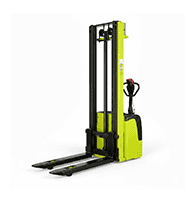
Discuss the next steps with your supervisor, including local traffic routes, loads and reporting procedures. If your role also involves electric pallet stacker trucks, confirm the additional training needed.
Continue to take feedback seriously after passing. An unfamiliar workplace can introduce different layouts and operating demands. Report situations you have not been trained to handle and ask for appropriate instruction. HSE’s lift-truck frequently asked questions also explain why ongoing assessment and refresher training may be needed when circumstances or performance change.
If You Need Further Training or Reassessment
Ask for clear feedback on the areas that did not meet the required standard. Turn this into a practical plan with your instructor: what needs improvement, how to practise it and when your readiness will be reviewed.
Retest arrangements and fees depend on the provider and scheme. Do not assume another attempt is immediate, free or limited to one element. A disappointing result is useful information about skills that still need attention before independent work.
Frequently Asked Questions
Is the Forklift Test Difficult?
Difficulty depends on your experience, preparation and the equipment involved. Beginners should expect to learn unfamiliar controls and safety principles. Ask for feedback throughout the course so you can address difficulties early, rather than discovering them during the final assessment.
Can You Take a Forklift Test Online?
Some courses use online theory learning, but this does not replace demonstrating inspection and operating skills on the equipment. Confirm how practical training and assessment are delivered before purchasing a course advertised online.
Before selecting a provider, look for clear course information and an opportunity to discuss your needs. Read about the training team and ask how they support learners who need more practice. Clear answers are more useful than a promise that everyone will pass.
FT4U can help you choose forklift training for your experience level. To discuss the right course and assessment arrangements, contact FT4U with details of your experience and intended truck type.


