







Can You Do Forklift Training at Your Workplace?
Yes. On-site forklift training can take place at your workplace when the equipment, facilities and operating arrangements are suitable. It gives employers an opportunity to organise learning around the trucks and tasks their team actually uses, while keeping instruction separate from everyday production pressures.
FT4U offers training at customer premises and at its Eastleigh, Hampshire centre. The right choice depends on your operators, machinery and available space. A warehouse address alone does not establish that a site is ready for a course.
This guide explains what to discuss before booking, how workplace courses compare with centre training and what employers need to arrange afterwards. Explore the forklift training options alongside the planning points below.
Key Takeaways
- Workplace training is possible where suitable equipment and facilities are available.
- Basic training needs protected time away from normal operations.
- The course must match the truck category and each learner’s experience.
- Employers should agree practical arrangements with the provider before booking.
- Assessment, workplace familiarisation and authorisation remain important wherever training takes place.
How Does On-Site Forklift Training Work?
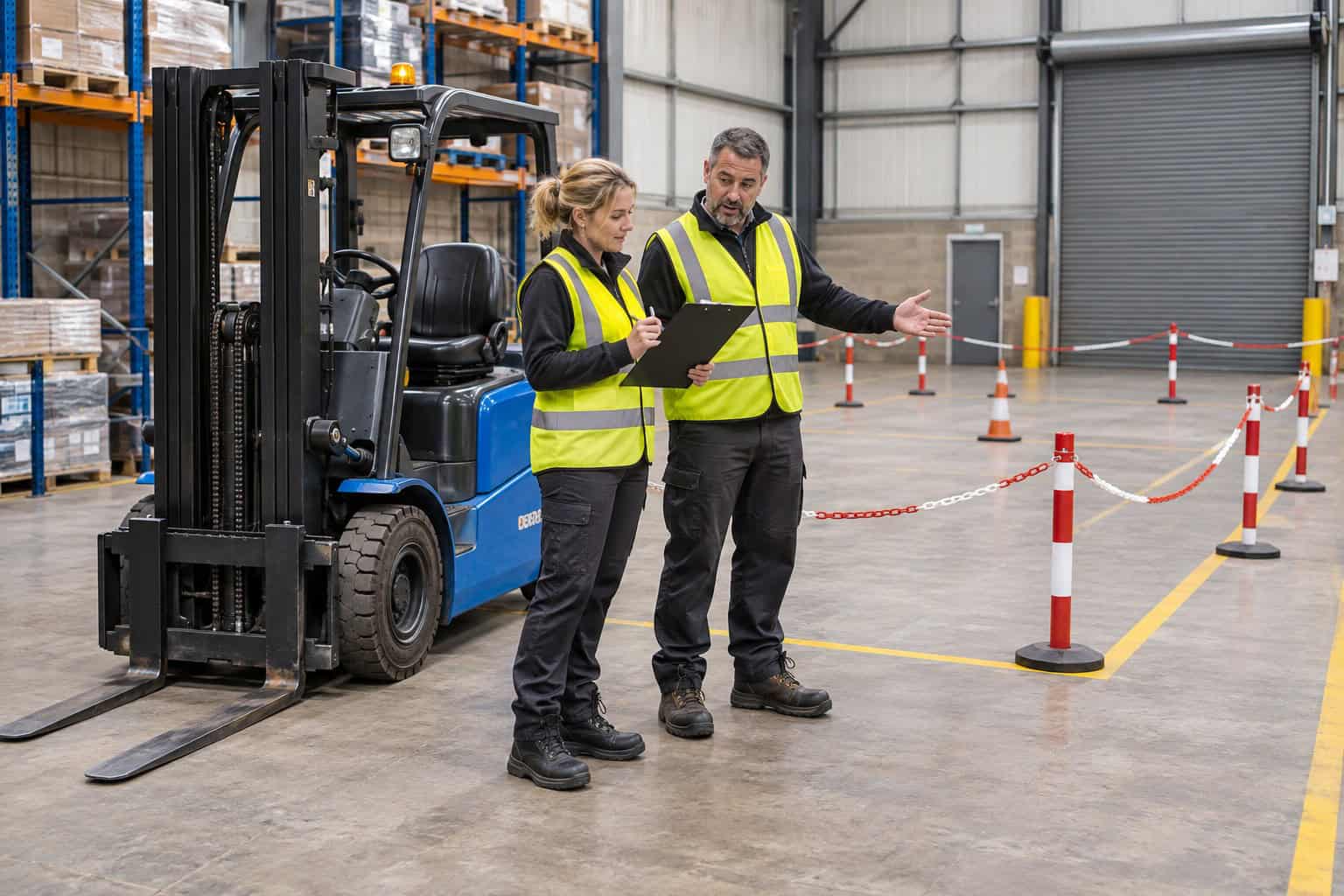
A trainer comes to an agreed workplace to deliver the course using arrangements confirmed beforehand. These normally involve suitable equipment, space for practical exercises and somewhere appropriate for theory learning.
The advantage is relevance. Operators can discuss machinery and working conditions they recognise. However, being at work does not mean completing ordinary deliveries while someone watches.
Start by describing the tasks your team performs and the equipment available. The provider can then assess whether workplace delivery is appropriate or whether attending a training centre would be a better option.
Training Still Needs Its Own Time
During basic instruction, learners need to concentrate without being called back to picking, loading or other duties. Managers should arrange cover rather than treating the course as something employees fit between jobs.
HSE’s L117 guidance explains that basic training at an employer’s premises should be kept away from normal commercial operations. The truck, instructor and trainees need to be available for training throughout the agreed sessions.
Workplace Delivery Is Not the Same as In-House Training
On-site describes the location. In-house usually describes instruction organised within the business using its own training resources. An external provider can deliver a course on your premises.
Whichever arrangement you choose, ask about instructor competence, course content and assessment. A knowledgeable colleague demonstrating the controls is not automatically a complete training programme. Our forklift safety information provides context for these wider responsibilities.
What Does Your Workplace Need to Provide?
Discuss the facilities before reserving dates. On-site forklift training works best when the provider knows what is available and any limitations have been addressed in advance.
Suitable Equipment and Loads
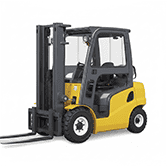
Identify the truck make, model, category and attachments. Explain which equipment learners will use after the course, rather than offering whichever spare truck happens to be available.
Equipment must be suitable and safe to use. Arrange access to relevant instructions and records, and discuss appropriate pallets, loads and stacking facilities with the provider. HSE’s PUWER overview explains the responsibilities around equipment suitability, maintenance, inspection, information and training.
Do not assume the instructor brings a forklift or supplies every training resource. Agree who provides each item. If your only truck is essential to dispatch, consider how it will be released for uninterrupted training.
A Protected Practical Area
The training area needs to suit the planned exercises and equipment. Discuss floor condition, lighting, headroom, access, pedestrian movements and any outdoor exposure. A temporarily empty aisle may become unsuitable when the next delivery arrives.
Explain how other workers and vehicles will be kept clear. HSE guidance on separating pedestrians and vehicles supports planning routes and controlled crossings. Markings alone may not provide adequate protection in every situation.
Send photographs or a layout if requested. Avoid inventing a universal minimum area: the provider needs to judge whether your proposed space can support the particular course safely.
Theory Space and Site Arrangements
A quiet room or other suitable learning space helps candidates hear explanations and complete theory work without constant interruption. Confirm seating, presentation equipment and any other facilities the trainer requires.
Also agree arrival arrangements, site induction, emergency procedures and a named contact. Tell the trainer about local protective equipment requirements beforehand. Good preparation avoids losing the opening session to finding keys, clearing a room or locating the correct truck.
Which Operators and Courses Can It Suit?
The location does not determine the training level. On-site forklift training must still start with the individual’s experience, previous instruction and intended duties.
Novice and Experienced Operators
A beginner needs a novice route with time to develop knowledge and practical ability. Someone who has operated informally may need a different assessment of their starting point, but confidence alone does not establish competence.
The published counterbalance courses include novice and experienced options. Describe each candidate separately rather than booking everyone into the shortest programme because they work on the same shift.
Conversion and Refresher Training
Conversion training addresses a change of truck type or relevant equipment. Refresher training revisits existing skills and can help identify unsafe habits or gaps. They serve different purposes.
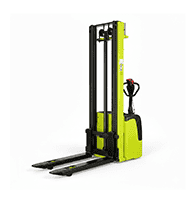
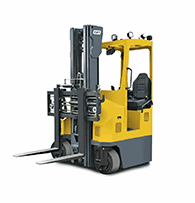
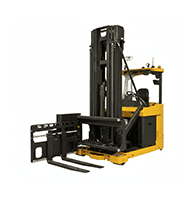
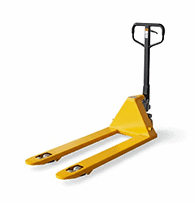
For example, an operator moving to warehouse reach equipment should discuss reach truck training. Businesses using articulated equipment can check the pivot steer course, while powered pallet equipment has its own pallet and stacker training options.
Share existing certificates and explain any long gaps in operating. This gives the provider a useful starting point for recommending the correct course and grouping learners appropriately.
Is On-Site Training Better Than a Training Centre?
Neither setting is automatically better. Workplace delivery can make discussion more relevant to your machinery and reduce travel for employees. A training centre provides a setting dedicated to learning when your own facilities or equipment cannot be released.
Think about the whole arrangement, including practical space, uninterrupted attendance and suitable resources. Convenience is valuable only when the course can run properly.
The information about FT4U confirms both customer-site delivery and the Eastleigh centre, giving you 2 options to discuss.

When Workplace Delivery Makes Sense
It can suit employers with appropriate equipment, protected space and a clear plan for releasing staff. Familiar surroundings may also help managers explain the tasks operators will eventually perform.
For example, a business introducing a different truck could arrange training after identifying the equipment and suitable candidates. Discussing those details early makes the enquiry more useful than simply asking for a trainer next week.
It also gives supervisors a practical reason to review their arrangements. If preparing for the course reveals blocked walkways or unclear defect reporting, those issues deserve attention as part of normal workplace management.
When Centre Training May Be Preferable
A centre may be more suitable where your only truck cannot be spared, practical space is limited or constant interruptions are difficult to prevent. It can also be worth discussing for individual learners.
Do not force workplace delivery into an unsuitable setting just to avoid travel. The aim is a workable learning environment. The training team can advise once it understands your requirements.
How Do You Plan an On-Site Forklift Training Course?
Give the provider enough information to recommend a realistic programme. A useful enquiry covers the people, equipment, tasks and facilities rather than only the preferred date.
Send a Clear Booking Brief
- Your workplace address and preferred training dates.
- The number of candidates and each person’s experience.
- Previous training records and the truck categories covered.
- The make, model and attachments of the proposed training truck.
- The practical area, learning space and resources available.
- Normal site activity and how training will be protected from it.
- Any learning support or accessibility needs to discuss.
Nominate someone who can answer questions and coordinate the arrangements. That person should know who can release the equipment, approve use of the space and confirm candidate attendance.
Before the first day, circulate the agreed arrangements to supervisors and shift leads. Tell colleagues which area is reserved, who is attending and who should handle routine operational questions while candidates are learning.
Check that the people attending understand the course they have been booked onto. A short conversation about previous experience can reveal that someone has only used a different truck category or has not operated for several years. Passing that information to the provider early helps avoid unsuitable arrangements on the day.
Review the available forklift courses before submitting your enquiry, but ask for advice if the terminology is unfamiliar. A clear description of the machine and intended work is more helpful than guessing a course name. Keep a copy of the confirmed arrangements for the supervisor responsible for the team.
Allow Enough Time for Learning
The published counterbalance and reach options list 3–5 days for novice courses, 2–3 for experienced operators, 1–2 for conversion and 1 day for refresher, with 1–3 candidates. Confirm the actual programme for your booking; these are not a promise that every workplace course follows an identical timetable.
HSE’s lift-truck training guidance emphasises adequate hands-on experience and suitable training ratios. The course needs enough time for demonstration, supervised practice and assessment.
Plan What Happens Afterwards
Clarify which training stages the booking covers and what the employer must complete. Basic skills, instruction for the particular job and supervised familiarisation are connected but distinct.
HSE’s advice for employers explains these stages and written authorisation. Completing a course at your address does not automatically cover every task or remove the need to authorise independent work.
Keep training records accessible and monitor performance afterwards. Our refresher training guide explains why further assessment may be needed when operating standards, equipment or working conditions change.
Frequently Asked Questions
Can Employees Keep Working During the Course?
They should have protected attendance for basic training. Repeatedly returning to operational duties interrupts learning and reduces practical time. Arrange cover before the course rather than asking the instructor to work around unplanned demands.
Can Different Experience Levels Train Together?
Tell the provider about each candidate. A beginner and a recently trained operator may need different programmes. Grouping should support suitable instruction and assessment, rather than simply filling the available places.
Does Workplace Training Remove the Need for Assessment?
No. On-site forklift training still needs appropriate assessment of knowledge and practical ability. Familiarity with the building is not proof of safe operation. Ask how results and any further training needs will be recorded.
How Do You Arrange Training at Your Site?
Contact FT4U with your location, equipment, candidate details and proposed facilities. Explain what you want your team to achieve. The provider can help you establish whether on-site forklift training is suitable and agree the next steps before dates are confirmed.


