




How Long Does Forklift Training Take? Course Types Explained
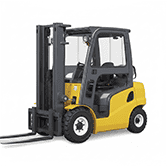
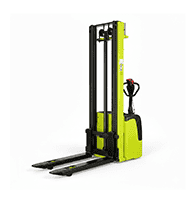
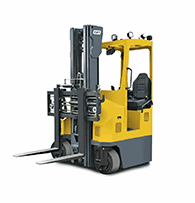
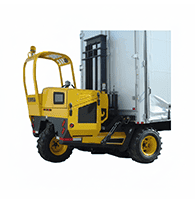
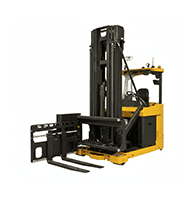
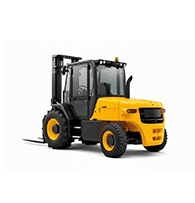
How long does forklift training take? FT4U lists novice courses lasting 3–5 days, experienced operator courses lasting 2–3 days, conversion courses lasting 1–2 days and refresher courses lasting 1 day for counterbalance, reach and pivot steer trucks.
The right duration depends on your starting point and the equipment you need to use. A complete beginner needs a different programme from someone refreshing existing skills or learning another truck category.
This guide explains those published course lengths, what can affect your booking and what employers should arrange before someone starts operating independently. You can also explore the available forklift training courses before discussing your requirements.
How Long Does Forklift Training Take for Each Course Type?
The table below summarises the durations published on the counterbalance, reach and pivot steer course pages. Each lists groups of 1–3 candidates. These are course ranges, so confirm the exact arrangement for your candidates before booking leave or changing shift cover.
| Course type | Published duration | Starting point to discuss |
|---|---|---|
| Novice | 3–5 days | Little or no relevant operating experience |
| Experienced | 2–3 days | Existing practical experience requiring suitable training and assessment |
| Conversion | 1–2 days | Previously trained operator moving to another truck category |
| Refresher | 1 day | Previously trained operator reviewing skills on the relevant equipment |
Check the individual pages for counterbalance training, reach truck training and pivot steer training. Do not assume these timings apply to every other machine or specialist course.
Course Length and Booking Lead Time Are Different
A three day course means three training days. It does not mean a place will be available three days after your enquiry. Availability, candidate numbers and the required truck category all need confirming separately.
When asking how long does forklift training take, also ask for available dates, daily start and finish times and whether the proposed dates fit your work pattern.

How Long Does Novice Forklift Training Take?
The published novice range is 3–5 days for the three truck categories above. Beginners need time to understand the truck, practise under instruction and develop consistent habits before assessment.
Learning is about more than steering. Observation, load handling, stability and accurate positioning all need attention. Someone who has never used a forklift should explain that clearly when enquiring, even if they already drive a car or work around warehouse equipment. Choosing the correct starting level makes it easier to plan a suitable course from the outset.
What Beginners Spend Time Learning
Early learning establishes how the truck responds and why its limits matter. Practical sessions then give learners opportunities to apply instruction, recognise mistakes and improve their control.
For example, approaching a pallet involves more than reaching the right location. Learners must combine observation, alignment and controlled movements while following the instructor’s directions. Repetition helps these separate tasks become a reliable sequence.
Why a Shorter Course Is Not Always Suitable
Do not choose an experienced or refresher course simply because fewer days would suit your diary. Those routes assume a different starting point. Booking the wrong level can create delays if the learner needs more instruction than planned.
HSE guidance on lift truck training says basic courses should provide enough time to meet the required standard and typically take 3–5 days. Previous experience should be considered carefully rather than overestimated.
Experienced, Conversion and Refresher Course Durations
For existing operators, how long does forklift training take depends on what they have already learnt and what they now need to do. The labels describe different training needs; they are not interchangeable shortcuts.
Experienced Operator Training: 2–3 Days
The published experienced route lasts 2–3 days. Tell the provider what you have driven, how often you use it and whether you have completed formal training before.
Experience gained years ago, occasional use and daily operation are different situations. An accurate description helps the instructor assess whether this route fits. Do not select it solely because your job title includes warehouse or logistics work.
Conversion Training: 1–2 Days
The listed conversion range is 1–2 days. It is relevant when a trained operator needs instruction on another type of truck, rather than a repeat of their original beginner course.
Our guide to forklift conversion training explains this distinction. Provide details of your existing training and the new equipment so the course can address the differences.
Refresher Training: 1 Day
A refresher course is listed as 1 day. It revisits existing knowledge and operating practice, giving the instructor an opportunity to identify habits that need correcting.
There is no universal legal rule requiring refresher training every three years. HSE’s lift truck FAQs explain why reassessment may be needed after a break, unsafe practice or other relevant changes. See our forklift refresher training guide for more context.
What Can Affect How Much Training You Need?
How long does forklift training take for your particular team? Start with the published range, then consider each person’s background and the work involved. Avoid treating a group of employees as though they all have identical experience.
Previous Training and Recent Practice
Gather certificates or other training records before making an enquiry. Include the truck categories covered and when the operator last used them. Missing records should be discussed openly rather than replaced with an assumption about competence.
A person returning after several years may need a different approach from someone operating regularly. Equally, confidence alone does not show that someone follows safe procedures.
Candidate Numbers and Equipment
The course pages specify 1–3 candidates, but they do not provide a fixed formula linking each group size to an exact number of days. Ask for confirmation rather than assuming one person always receives the shortest option.
Identify the actual equipment required. A booking for counterbalance training does not automatically cover reach trucks, articulated trucks or specialist attachments. Clear equipment information prevents misunderstandings about what the completed course will cover.
Consider two colleagues joining the same warehouse. One has never driven a lift truck; the other has documented training on a different category. Although both need to use the same equipment in their new role, their starting points differ. Give the provider this information before requesting a shared course.
Learning Needs and Additional Support
Tell the provider about any support that would help the candidate understand instructions or participate in assessment. Raise questions early, including concerns about written material, communication or returning to learning after a long break.
Employers should also protect training time. Asking a learner to answer delivery queries or return to production between exercises makes it harder to concentrate. The calendar should allow the agreed training to take place properly.
What Happens During a Forklift Training Course?
Understanding the course content makes the timetable easier to plan. Training combines explanation, demonstration, supervised practice and assessment. Learners need opportunities to ask questions and apply feedback, rather than simply watch another person operate.
The published syllabuses include truck stability, pre-use checks, controls, safe manoeuvring, stacking, a theory test and practical assessment. The exact teaching sequence should be confirmed with the instructor. Our forklift test guide explains how to approach assessment without relying on memorised answers or rushing practical tasks.

Theory and Practical Work
Theory explains the reasons behind safe operating decisions. Practical work allows the instructor to see whether the learner can apply those principles. Both matter when judging progress.
For preparation, review the available forklift safety information and note anything you do not understand. Reading supports learning, but it cannot replace supervised practice on the relevant equipment.
Assessment and Any Further Training
Completing the scheduled days does not guarantee a pass. Learners must demonstrate the required knowledge and skills. If further instruction or reassessment is needed, discuss the arrangements with the provider.
For employers asking how long does forklift training take, this means allowing some flexibility before assigning a new operator to a critical shift. Confirm the outcome before relying on independent operation.
Planning the Course and the Return to Work
A course booking is only one part of preparing someone for forklift duties. The employer also needs to consider the tasks, workplace and supervision arrangements that follow.
Arrange Workplace Familiarisation
HSE’s L117 Approved Code of Practice describes basic training, specific job training and familiarisation. Familiarisation applies learning in normal working conditions under close supervision. Written employer authorisation should follow satisfactory completion of all three stages.
A training certificate therefore does not automatically authorise someone to operate at every workplace. Plan who will supervise their introduction to local routes, loads and procedures, and confirm which stages the booked course includes.
The PUWER overview also explains employers’ responsibilities for suitable equipment, information and training. Course attendance sits within these wider arrangements.
If you are comparing forklift operator training options, keep the course duration and the wider induction schedule in separate parts of your plan. This makes it clear when someone is attending training and when supervised workplace learning will happen.
Ask the supervisor to identify the actual tasks the person will perform on return. A quiet practice area and a busy loading operation present different demands. Planning that transition in advance helps prevent a successful learner being handed unfamiliar work without enough support.
How long does forklift training take from enquiry to independent work? There is no single timetable covering every booking. Course availability, the agreed training programme, assessment results and workplace preparation each contribute to the overall schedule.
Confirm These Details Before Booking
- The truck category and any attachments involved.
- Each candidate’s training history and recent experience.
- The number of candidates attending.
- The confirmed course dates and daily timetable.
- The agreed venue and any equipment or space requirements.
- Assessment arrangements and what happens if more training is needed.
- Who will arrange workplace familiarisation afterwards.
Use the HSE driver competence checklist to review the employer’s arrangements. Keep training records accessible so future managers can understand which equipment an operator has been trained to use.
Frequently Asked Questions
Can You Complete Forklift Training in One Day?
A one day refresher is listed for the three truck categories covered here. That does not make one day suitable for a beginner. The appropriate route depends on the candidate’s background and the training required.
How Long Does Forklift Training Take for a Beginner?
The published novice range is 3–5 days. Confirm the exact duration for your booking, and allow for any workplace familiarisation required afterwards. Do not plan independent duties solely around the last scheduled course date.
Does the Course Length Include Getting a Forklift Licence?
There is no government-issued workplace forklift licence. People commonly use that term for evidence of training. Assessment, training records and employer authorisation are separate matters, so confirm what documentation your course provides.
How Do You Find the Right Course Duration?
Start with your experience, truck category and candidate numbers. Review the available training options, then contact FT4U to confirm the appropriate course and dates. Supplying those details helps you plan realistic training time and a properly supervised return to work.


