


Counterbalance vs Reach Truck: Which Training Do You Need?
The counterbalance vs reach truck decision starts with the equipment used in your workplace. Choose counterbalance training for a counterbalance forklift and reach truck training for a reach truck. If you already operate one type and need to use the other, discuss conversion training before taking on the new duties.
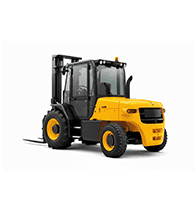
Counterbalance trucks are widely used for general materials handling, including suitable indoor and outdoor work. Reach trucks are commonly used for warehouse racking where narrower aisles and efficient storage matter. Their handling characteristics differ, so training on one does not automatically qualify you to operate both.
This guide helps you compare forklift training options and choose a course that matches your experience and intended job. References to HSE training guidance apply to Great Britain; Northern Ireland has separate regulatory arrangements.
Key Takeaways
- Choose training for the actual truck category you will operate.
- Counterbalance forklifts suit a wide range of handling tasks.
- Reach trucks are commonly used on smooth, level warehouse floors.
- Moving between categories requires additional training, not just a quick introduction.
- Beginners should discuss novice training rather than booking a refresher.
- Workplace familiarisation and employer authorisation are still needed after a course.
Counterbalance vs Reach Truck: The Main Differences
Both trucks lift and move loads, but they approach the task differently. Use this comparison as a starting point, then check the specific model and workplace requirements.
Typical counterbalance and reach truck characteristics
| Feature | Counterbalance forklift | Reach truck |
|---|---|---|
| Typical work | General handling, loading and stacking | Warehouse pallet storage and retrieval |
| Load handling | Front-mounted forks; rear counterweight balances the load | Reach mechanism extends and retracts the load-handling assembly |
| Working space | Usually needs more aisle space for comparable pallet tasks | Typically works in narrower warehouse aisles |
| Surfaces | Indoor or outdoor suitability depends on the model | Standard warehouse models need smooth, level surfaces |
| Training choice | Relevant counterbalance category | Relevant reach truck category |
When Is Counterbalance Training the Right Choice?
Counterbalance training is the right starting point when your duties involve a counterbalance forklift. These trucks are familiar across warehouses, manufacturing facilities and loading areas, although the machine must still suit the environment.
In the counterbalance vs reach truck comparison, versatility is a useful distinction. A suitable counterbalance model may support several tasks across a site, but that does not make every model suitable for outdoor ground or every load. Confirm the equipment before choosing your course.

General Handling and Loading Tasks
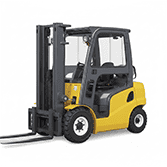
A counterbalance truck approaches a load with its forks at the front, supported by the truck’s balancing weight. Training develops the skills needed to position the truck, handle loads and manoeuvre within the available space.
FT4U’s counterbalance training courses cover areas including stability, pre-use checks, operating methods, stacking and assessment. Tell the provider if the intended role includes particular attachments or unusual loads so these can be considered.
Indoor and Outdoor Suitability
Some counterbalance trucks work both indoors and outdoors, but suitability depends on features such as tyres, power source and the manufacturer’s limits. Ventilation and surface conditions also matter.
Do not confuse an industrial truck with equipment intended for rough ground. A yard with potholes, slopes or soft surfaces needs a proper equipment assessment. Course selection follows that assessment; training cannot make an unsuitable truck appropriate for the task.
When Is Reach Truck Training the Right Choice?
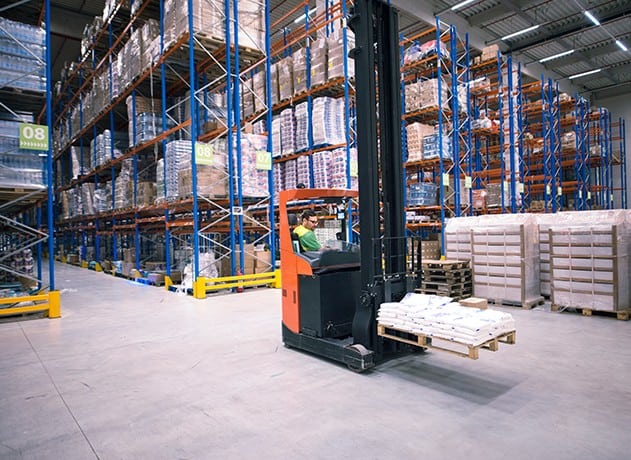
Reach truck training suits roles using reach trucks for warehouse storage and retrieval. These machines help businesses make use of racking and narrower aisles, with operators learning to control the reach function as well as travel and lifting movements.
The counterbalance vs reach truck choice often becomes clear once you see the workplace. If the vacancy involves a reach truck, choose training for that category. A general advert for a “forklift driver” is not detailed enough to settle the question.
Racking and Narrower Aisles
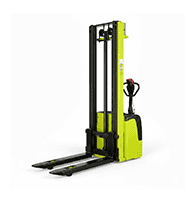
Reach trucks use an extending and retracting mechanism to position loads. Their layout supports warehouse storage tasks, but precise clearances depend on the truck, pallet and racking arrangement.
Reach truck operator training addresses the equipment’s controls and handling requirements. If a workplace instead uses articulated machines, check whether pivot steer training is required. Different machines may work in confined aisles without belonging to the same training category.
Floor Conditions and Model Differences
Standard warehouse reach trucks are generally intended for smooth, level floors. Do not assume one can safely travel across a yard simply because a loading task extends outside.
There are specialist exceptions: Toyota’s reach truck range includes models designed for indoor and outdoor applications. Check the actual manufacturer’s instructions. The useful counterbalance vs reach truck distinction is typical application, not a blanket rule that all machines in a category have identical limits.
Counterbalance vs Reach Truck Training: Choosing Your Course
Once you know the truck category, decide which training level matches your background. Explain your previous instruction, recent experience and any time away from operating when comparing courses for individuals and employers.
Novice Training for Beginners
If you have no relevant operating experience, discuss a novice course. Learning to drive a car does not remove the need to learn forklift controls, stability and load handling.
You do not have to learn counterbalance first simply because it is familiar or widely recognised. A beginner whose confirmed job uses a reach truck can discuss novice reach training. Our guide to getting a forklift licence explains the broader training process and the documents involved.
Conversion Training for Existing Operators
HSE’s lift-truck training guidance explains that operators trained on one truck type or attachment need additional conversion training before using others for which they have not been trained.
For a counterbalance operator moving to reach work, existing knowledge can help, but the new controls and handling characteristics still need attention. Provide your certificate and explain your experience so the instructor can establish an appropriate programme.
The counterbalance vs reach truck decision is therefore not necessarily a choice for your whole career. You can develop competence in another category when the work requires it, with suitable instruction and assessment.
Refresher Training for the Same Category
A refresher revisits previous training and addresses identified gaps. It should not be booked as a shortcut into a different truck category.
If you have operated the relevant truck before but have been away for some time, explain this when enquiring. An assessment can help determine what further instruction is needed. Bring any available training records rather than relying on a job title or the number of years you have worked in a warehouse.
Course Duration and Assessment
At the time of writing, both course pages list novice training at three to five days, experienced operator courses at two to three days, conversion at one to two days and refresher training at one day, for one to three candidates.
These are advertised arrangements, not universal course lengths. Confirm the schedule for your circumstances and ask what theory testing and practical assessment are included. Comparing counterbalance vs reach truck course prices is only useful when the training level and package are equivalent.
Match the Training to Your Job and Workplace
The strongest reason to choose a course is a clear match with the work you expect to do. A certificate for the wrong category may leave you needing another course before you can begin the intended duties.
Questions to Ask Before Booking
Ask the employer or recruiter for the truck category, make and model. Then clarify:
- Which tasks will I carry out, and on which trucks?
- Does the role require one category or both?
- What previous training evidence is expected?
- Are attachments or unusual loads involved?
- Who will organise workplace familiarisation?
- Will the employer fund or arrange additional training?
For example, a warehouse may use counterbalance trucks at goods-in and reach trucks within its storage aisles. That does not mean every employee needs both categories. Ask which duties belong to your role before paying for additional training.
Our forklift safety information can help support that discussion. A counterbalance vs reach truck comparison should lead to a specific booking decision, not a guess based on photographs.
What Must Happen After You Pass?
Passing a course does not automatically authorise you to operate every machine at a new workplace. HSE’s driver competence checklist covers specific job training, familiarisation and written authorisation.
Your employer should establish that you can carry out the permitted tasks on the relevant equipment. Local instruction needs to cover the routes, working arrangements and hazards you will encounter.
HSE’s L117 guidance provides further detail on operator training and safe use. Businesses arranging instruction internally can explore forklift instructor training while maintaining suitable assessment and supervision.
Training also needs suitable equipment and working conditions behind it. The PUWER requirements explained by HSE include equipment suitability, maintenance and adequate training. A successful assessment does not remove those wider duties.
Frequently Asked Questions
Which Is Better for Beginners: Counterbalance or Reach?
Neither is automatically the better first course. Choose the category used in your intended job and discuss novice training with the provider. If you have no job lined up, review relevant vacancies and ask recruiters which equipment their roles involve before deciding.
Does Counterbalance Training Cover Reach Trucks?
No. The categories have different operating requirements. Existing operators should discuss conversion training, assessment and workplace preparation before switching. The same principle applies when moving from reach trucks to counterbalance forklifts.
Can You Train on Both Truck Types?
Yes, you can develop competence in both categories through suitable training and assessment. Ask the provider how the programme will account for your starting experience. Training on both may suit a role using both machines, but it does not guarantee employment.
What Should You Check When Comparing Course Prices?
Compare the full package, including training time, candidate numbers, assessment, certification and any additional charges. Ask whether VAT applies and what happens if further instruction or a retest is needed. A lower advertised price may cover a different course level, so explain your experience before requesting a quote.
Also confirm the location, required clothing and documents to bring. If an employer is arranging training at its premises, agree which truck and training area will be available. Clear booking details help prevent delays and ensure the instructor can deliver the planned practical work.
Still weighing up counterbalance vs reach truck training? Learn more about FT4U, explore our forklift course options or discuss your training requirements with the team. Have the truck details and your previous training history ready so we can help you choose the appropriate route.


