







Forklift Daily Checks: What Should You Check Before Use?
Forklift daily checks help operators identify damage, faults and other concerns before a truck enters service. They should cover the equipment’s condition and the operation of its safety systems, using the manufacturer’s handbook and your workplace procedure.
A completed form is only useful when the checks have actually been carried out and defects receive attention. Operators need suitable instruction, enough time and a clear way to report problems. Practical forklift operator training helps turn a checklist into an informed inspection.
This guide explains the main areas to consider, when checks should happen and what employers should arrange. It is an overview for Great Britain, not a substitute for the inspection instructions for your particular truck.
Key Takeaways
- Check the truck at the beginning of each shift and document the results.
- Use a checklist matched to the truck, attachments and manufacturer’s instructions.
- Complete visual checks before any functional tests that are safe to perform.
- Report defects and prevent unsafe equipment being used.
- Daily checks do not replace servicing, repairs or thorough examination.
When Should Forklift Daily Checks Be Completed?
Forklift daily checks should take place before the truck starts work. On a site operating several shifts, “daily” should not be interpreted as one check covering everybody for the entire day.
HSE’s L117 guidance recommends that the operator checks the truck at the beginning of each shift, follows its handbook and records the results. Defects that could affect safe operation should be reported to the supervisor. Build this time into the shift, rather than expecting checks to fit around the first delivery.
Taking Over a Truck
Review the previous check record and any outstanding defect reports. Do not assume that a truck parked in its usual place has been cleared for use. Follow your site’s handover procedure when taking over equipment during a shift.
If you cannot establish whether a reported fault has been resolved, ask before using the truck. Clear handovers help prevent one operator relying on an assumption made by someone else.
Remaining Alert During Work
A satisfactory check records the condition observed at that time. A new noise, leak, warning message or change in braking or steering during work needs attention immediately.
Do not wait until tomorrow’s form to report a developing problem. Our forklift safety information provides wider context for safe operation and reporting concerns.
What Should Forklift Daily Checks Include?
The following checklist groups common inspection areas. It is not exhaustive and must be adapted to the model, attachments and workplace. Carry out only checks you have been trained and authorised to perform, in the sequence specified for the equipment.
Tyres, Wheels and the Outside of the Truck
Look for tyre damage, embedded objects, deterioration and signs of wheel damage or loose fixings. Follow the handbook for pneumatic tyre pressure checks where applicable. Tyre condition should be judged against the appropriate limits, not compared with a colleague’s truck.
Look around the truck for damage, leaks and loose parts. Check steps and access points for contamination or obstruction. Report concerns rather than attempting wheel repairs or adjustments as part of a routine walkaround.
Forks, Mast, Carriage and Attachments
Inspect accessible lifting components for visible damage and the security of relevant retaining devices. Look for concerns such as a visibly bent fork, damaged positioning lock or an obvious hydraulic leak. Follow the handbook’s checks for chains, carriage and any attachment.
Keep clear of trapping points and never go beneath raised forks. Do not use your hands to search for pressurised hydraulic leaks. Detailed measurements, dismantling and repairs belong with appropriately competent personnel.
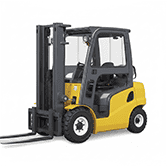
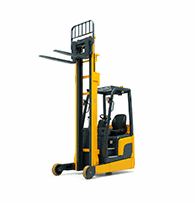
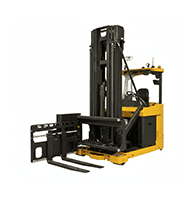
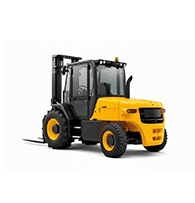
Equipment-specific instruction matters whether you use a counterbalance forklift or a reach truck. Similar-looking components do not make every inspection procedure identical.
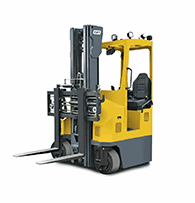
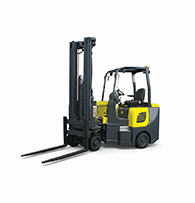
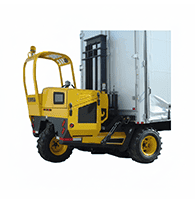
Attachments and the truck configuration must be reflected in the inspection instructions. If you move onto a pivot steer truck, for example, ask to be shown the relevant checks rather than carrying over your previous checklist unchanged.
Operator Position, Restraints and Visibility
Check the seat, fitted restraint system, overhead guard and other relevant protective features. Confirm that mirrors, glazing and fitted visibility aids are clean, secure and usable. Check that the capacity information and essential warning labels are readable.
The operator area should be free of loose items that could interfere with pedals or controls. If a safety device is damaged or does not work as intended, do not bypass it to continue operating.
Power Source, Fluids and Warning Devices
Use the procedure for the actual power system. Electric trucks need the appropriate battery, connection and charging checks. Engine-powered trucks require the relevant fuel and fluid checks. Only open compartments or check levels in the conditions specified by the manufacturer.
Do not treat battery or fuel handling as a routine task anyone can undertake. Follow the training, protective equipment and site controls provided. Report damaged cables, leaks or unusual conditions before proceeding.
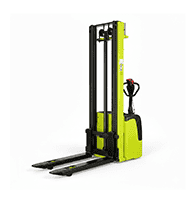
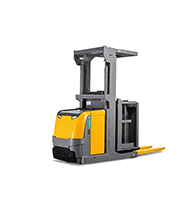
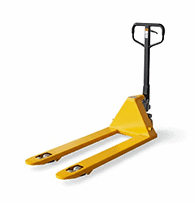
Check the horn, lights and other fitted warnings as instructed. Equipment differences also matter for electric pallet and stacker trucks, which need their own suitable checks.
Brakes, Steering and Operating Functions
Once the initial checks show it is safe to proceed, carry out the prescribed functional tests in a suitable clear area. These may cover braking, steering, lifting, tilting and attachment functions. Keep other people clear and follow the taught procedure.
Do not improvise a test load, speed or manoeuvre. If a function behaves unexpectedly, stop safely and report it. HSE’s vehicle inspection guidance emphasises the need for instruction in checks and reporting problems.
How Should You Record Forklift Daily Checks?
Use a Clear Check Record
A useful record identifies the truck, operator, date and shift. It should show what was checked, what was found and who was informed about any defect. Paper and digital systems can both work when staff can use them reliably.
A simple record should capture:
- Truck identification and relevant attachment details.
- Date, time and operator identification.
- Results for each required check.
- Specific defect descriptions and locations.
- Immediate action taken and the person notified.
- Any restriction on use and the follow-up decision.
Do not mark an item as satisfactory if it was not checked. Use “not applicable” only where appropriate to the equipment. A generic form that repeatedly encourages guessing needs reviewing.
Keep forklift daily checks easy to complete where the truck is inspected. A clipboard stored elsewhere or a digital form nobody can access creates avoidable friction. Provide the right form, a clear truck identification number and an agreed contact for defects. Review the process with operators so the system supports the inspection rather than distracting from it.
Make Reports Useful to the Next Person
A report saying “problem with truck” leaves too much uncertainty. Describe what you observed, where it occurred and whether it happened during the visual inspection or a functional test. You do not need to diagnose the technical cause.
For example, “fluid visible beneath the front of truck 4 before start-up” gives a clearer starting point than “leak”. Photos can support the record where permitted and safe to take. A supervisor should confirm what happens next.
Understanding checks also helps during a forklift test, where inspection knowledge needs to translate into appropriate action.

What Should You Do If You Find a Defect?
Forklift daily checks must lead to action when something is wrong. If a defect could affect safe operation, stop using the truck, report the concern and follow your site’s procedure to prevent further use.
A colleague needing the truck urgently is not a reason to ignore the problem. Make sure the restriction is clear to other operators and the person responsible for arranging assessment or repair. Suitable practical forklift training should help operators recognise when to stop and seek assistance.
Prevent Use Until the Problem Is Resolved
Follow the site’s isolation or out-of-service arrangements, including key control or tagging where applicable. Secure the equipment safely without creating another hazard. If it cannot be moved safely, keep people clear and get assistance rather than driving it to a convenient parking place.
Only suitably trained and authorised people should carry out repairs. Do not tighten, adjust or bypass something simply to make the truck available. HSE’s PUWER overview explains employers’ duties to provide suitable, maintained equipment and adequate training.
Confirm a Safe Return to Service
The responsible person should arrange assessment, any necessary repair and confirmation that the truck can return to use. Operators need clear communication of that decision and any remaining restrictions.
Keep the defect report linked to the action taken. Repeated reports about the same component may reveal a maintenance or operating issue. Supervisors should investigate the pattern instead of treating each form as an isolated event.
Who Is Responsible for Checks and Maintenance?
Operators and Employers Have Different Roles
Operators carry out the checks they have been taught and report concerns. Employers organise the system, provide suitable instructions and ensure reports lead to appropriate action. A signature does not transfer all responsibility to the driver.
Supervisors should observe how forklift daily checks are performed, not just count completed forms. If staff are missing steps or do not understand the procedure, address the cause. Our refresher training guide explains when further instruction or assessment may be appropriate.
HSE’s training guidance also stresses ongoing monitoring of operator competence. Training should match the equipment and tasks involved.
Daily Checks Do Not Replace Thorough Examination
Forklift daily checks, planned maintenance and thorough examination serve different purposes. A pre-use check looks for issues before work. Servicing maintains the equipment. Thorough examination is a systematic assessment by a competent person, with a written report.
Employers must arrange the applicable examination regime and other inspections. HSE’s thorough examination guidance explains the requirements. A current examination report does not mean that a truck cannot develop a fault between examinations.
Likewise, a completed checklist does not demonstrate that servicing or examination is up to date. Keep these arrangements coordinated and clearly distinguish their records.
Frequently Asked Questions
How Long Should Forklift Daily Checks Take?
Allow enough time to complete the manufacturer’s checks properly and record the findings. There is no single duration suitable for every truck, attachment and working environment. Avoid setting a target that encourages operators to rush or sign without checking.
Do Hired Forklifts Need Checking?
Yes. Hiring equipment does not remove the need for suitable pre-use checks. Confirm the handbook, reporting arrangements and maintenance responsibilities when the truck arrives. Operators must also be competent and familiar with the supplied equipment.
Can Training Help Improve Inspection Standards?
Yes. FT4U’s published course content includes pre-use checks alongside safe operating skills. Learning on the relevant equipment helps operators understand what to inspect and how to respond to concerns.
Review the available forklift training options, or contact FT4U to discuss your operators, equipment and training needs.


