



Can You Learn to Drive a Forklift With No Experience?
Yes. You can learn to drive a forklift without previous operating experience by taking a suitable novice course. Forklift training for beginners introduces the equipment, safety principles and practical skills from the start, so you do not need to arrive knowing how to move pallets or use the controls.
The important distinction is between learning under supervision and operating independently at work. Completing basic training is an important step, but workplace instruction, familiarisation and employer authorisation also matter.
This guide explains how to choose your first course, what to expect and how to prepare. You can explore the forklift training options before deciding which equipment matches your plans.
Key Takeaways
- No previous forklift experience is needed for a novice course.
- Choose training for the truck category you intend to operate.
- Published novice counterbalance and reach courses run for 3–5 days.
- Learning includes safety knowledge, practical exercises and assessment.
- Passing basic training does not automatically authorise independent workplace operation.
How Does Forklift Training for Beginners Work?
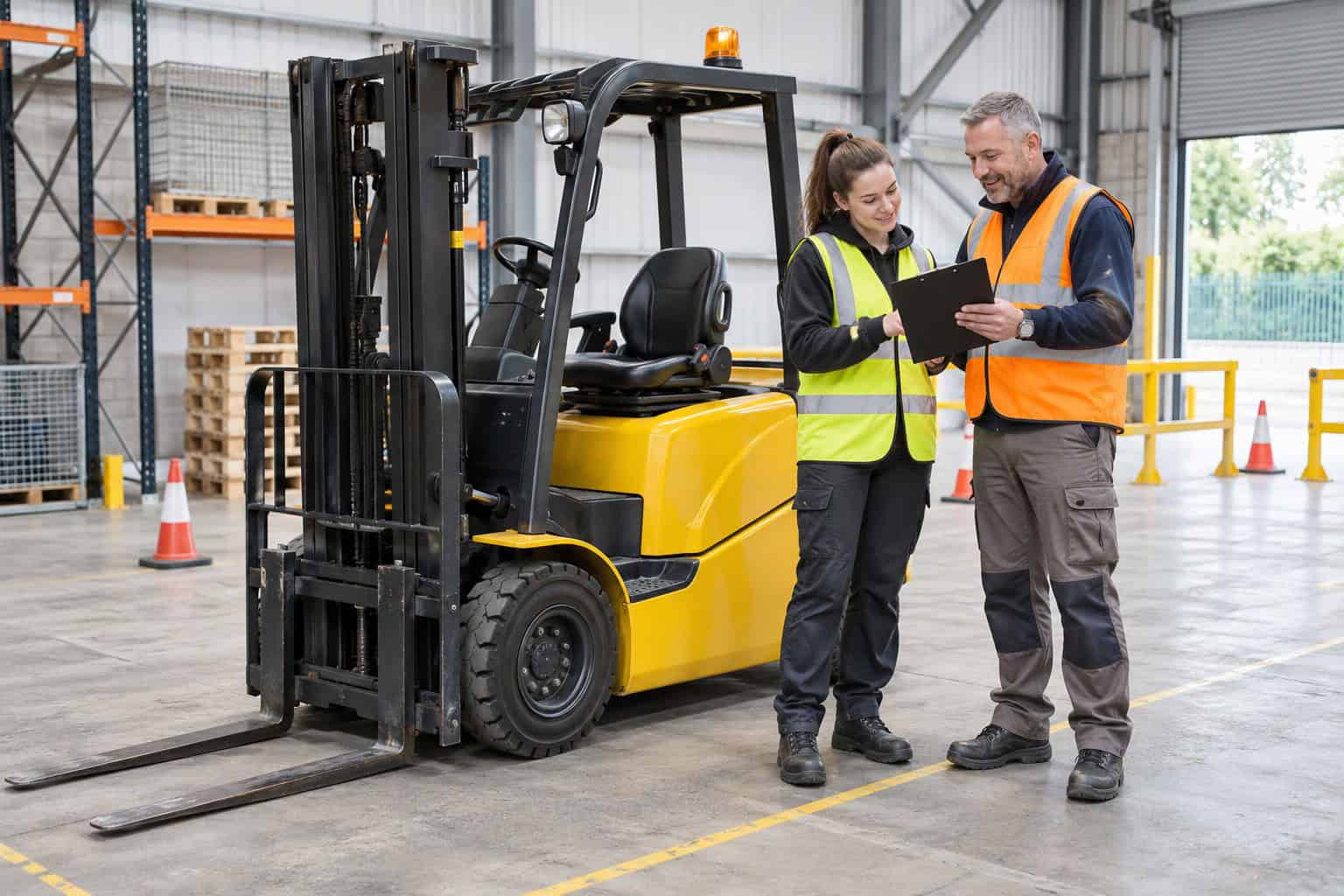
A novice course gives you a structured introduction rather than expecting you to learn through trial and error. Your instructor explains the equipment, demonstrates tasks and supervises your practice.
At first, unfamiliar controls and steering may feel awkward. That is a reason to ask questions, not a reason to assume you cannot learn. Progress comes from understanding each task and repeating it carefully.
Looking through the provider’s forklift safety information can help you recognise topics that will be discussed, without replacing practical instruction.
Choose a Novice Course
Tell the provider clearly that you have never operated a forklift. Working in a warehouse, watching colleagues or using a manual pallet truck does not automatically make you an experienced forklift operator.
Experienced operator, conversion and refresher courses serve different purposes. They should not be chosen simply because they are shorter. The provider needs an honest account of your background to recommend the correct starting point.
Learn Under Proper Supervision
Do not practise alone before attending. An informal opportunity to move a pallet during a quiet shift is not a substitute for organised training.
HSE’s lift-truck FAQs explain employers’ training duties and distinguish supervised trainees from people operating without adequate training. Your first experience should take place within suitable training arrangements.
Which Forklift Course Should You Take First?
The best starting point depends on the equipment used in your intended job. There is no single beginner qualification that covers every truck, attachment and working environment.
Counterbalance or Reach Truck?
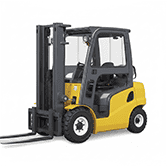
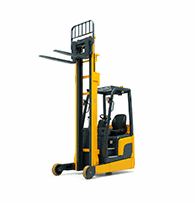
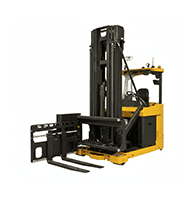
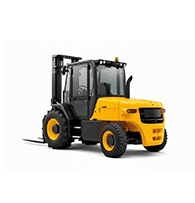
A counterbalance forklift course may suit work involving that familiar truck design across warehouses, yards and other industrial settings. A reach truck course relates to equipment commonly used for warehouse racking and narrower aisles on suitable smooth, level floors.
Ask a prospective employer which truck category they require. If you are already employed, check with your manager before booking. Choosing by the appearance of a truck in a job advert can lead to the wrong course.
If you are exploring a new career, compare several genuine vacancies before deciding. Note the truck types requested and whether the employer accepts newly trained applicants. This helps you make a useful training decision without assuming that the shortest course or most familiar machine will suit every role.
Other Equipment Has Its Own Requirements
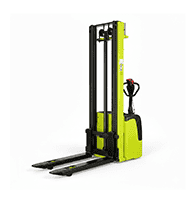
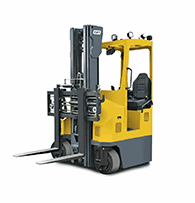
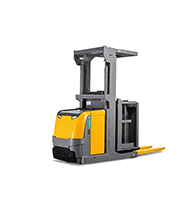
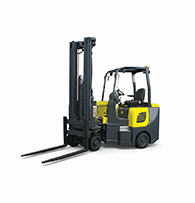
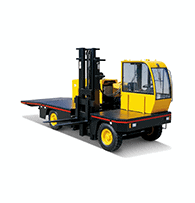
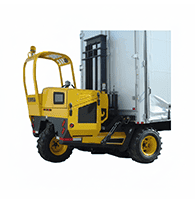
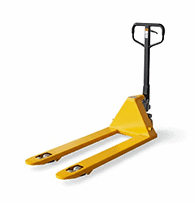
Some workplaces use pivot steer trucks, while others need electric pallet or stacker truck training. These should not be treated as interchangeable with counterbalance training.
If you are unsure, send the training provider the equipment make, model and a photograph. Forklift training for beginners is most useful when it prepares you for the equipment you actually need.
What Will You Learn on a Novice Forklift Course?
A beginner course combines understanding with practice. Simply being able to make the truck move is not enough. You also need to recognise hazards, assess loads and know when to stop and seek help.
Training should also help you recognise the limits of your responsibilities. If you find damaged equipment, an unclear instruction or an unsuitable load, the correct response may be to stop and report it. HSE’s PUWER overview sets out the wider expectations for suitable equipment, maintenance, information and training.
Checks and Controls
You will be introduced to the operating position, controls and checks relevant to the truck. Learning a consistent checking routine helps you notice problems instead of treating the equipment as ready just because someone else used it earlier.
You should understand how to report a defect and when equipment must not be used. The operator’s checks do not replace maintenance or other required inspections.
Movement, Loads and Stability
Practical exercises develop controlled movement, observation and positioning. Load handling introduces the relationship between the truck, the load and stability. You need to understand capacity information rather than judging whether a load looks manageable.
Observation is especially important where people and vehicles might meet. HSE guidance on pedestrian separation explains why workplaces should separate their routes wherever possible. Operator skill supports those arrangements; it does not remove the need for them.
Assessment and Feedback
FT4U’s published counterbalance syllabus includes pre-use checks, stability, manoeuvring, stacking, refuelling or charging procedures, a theory test and practical assessment. Your instructor will explain the exercises relevant to your course.
Use feedback throughout the training. If you misunderstand a demonstration, ask to see it again. Assessment checks whether you can apply what you have learned, so memorising answers without understanding the practical reasoning is poor preparation.
How Long Does Beginner Forklift Training Take?
The published novice counterbalance and reach course options are 3–5 days for 1–3 candidates. Confirm the exact duration when booking because your equipment, group arrangements and training needs affect the programme.
A shorter advertised course may be intended for someone with existing experience. Forklift training for beginners needs enough time for explanations, supervised practice and assessment.
Keep the whole course available in your diary. Avoid arranging work calls or other commitments that would interrupt training. The training team can confirm the schedule for your booking.

Why Practical Time Matters
Learning to judge clearances, position a load and observe consistently takes practice. Watching another learner can be useful, but you also need your own supervised time at the controls.
HSE’s training guidance says course length and training ratios should allow adequate practical experience. Finishing quickly is less important than reaching the required standard.
What If You Need More Support?
Tell the provider about any support needs before booking. Ask how instruction and assessment can be made accessible while preserving the safety standard required for the work.
If you need additional practice or do not meet the assessment standard, discuss the next steps with the provider. Extra training and any reassessment arrangements should be explained clearly. A place on a course is not a guarantee of passing.
How Should You Prepare for Your First Course?
Useful preparation is mainly about arriving ready to learn. You do not need to teach yourself the controls first, and online videos should not encourage unsupervised practice.
Check Your Booking Details
- Confirm the truck category and that you are booked as a novice.
- Check the location, start time and full attendance requirements.
- Ask what identification or booking documents to bring.
- Confirm clothing, footwear and any protective equipment requirements.
- Discuss relevant health concerns or learning support needs in advance.
Arrive rested and allow time for travel. Wear clothing suitable for the practical environment, following the provider’s joining instructions. Do not assume protective equipment will be supplied unless that has been confirmed.
Ask whether the course involves indoor or outdoor practical sessions and prepare for the stated conditions. Bring any glasses or other aids you normally need, and tell the instructor promptly if you cannot clearly see or hear a demonstration. These practical details help you participate fully from the beginning.
Set Realistic Expectations
Expect to concentrate on observation and decision-making as much as steering. A careful learner who follows instructions is better prepared to progress than someone trying to appear confident by rushing.
For example, you may understand a demonstration immediately but still need several attempts to position the truck accurately. Treat that practice as part of learning. Ask which part of your approach needs changing and focus on that point during the next supervised attempt.
Keep brief notes where appropriate and review the day’s learning. If a term such as load centre is unfamiliar, ask for an explanation linked to the equipment in front of you.
You can also read about the training provider and confirm whether you will attend the Eastleigh centre or train at suitable workplace premises. Knowing the arrangements can make the first morning feel more manageable.
What Happens After You Pass?
Forklift training for beginners is the start of developing workplace competence. Keep your training evidence and make sure an employer understands which truck category and course it covers.
Workplace Training and Authorisation
A different site introduces different routes, loads, people and operating conditions. Before independent work, the employer should arrange the relevant job instruction, supervised familiarisation and authorisation.
HSE’s advice for employers describes these stages and written authorisation. A training certificate is evidence of learning, not a government-issued forklift licence or automatic permission to operate everywhere.
Training records should remain available when your role changes. If you move to another employer, provide the evidence you hold and let them assess what further instruction is needed. Keeping records organised makes the conversation easier, but the new workplace still needs to establish your suitability for its tasks.
Building Experience Safely
Be honest about being newly trained when applying for jobs. Some employers recruit beginners and provide further support; others require existing experience. Completing a course cannot guarantee employment.
The guide to forklift refresher training explains the next stage of maintaining skills. Continue asking questions when tasks change. Do not copy shortcuts from colleagues or move unfamiliar loads simply to keep up. Safe experience develops through suitable work, supervision and feedback.
Frequently Asked Questions
Can I take a course without already having a warehouse job? You can enquire as an individual. Explain your goals so the provider can advise on course suitability and availability. Contact FT4U before choosing equipment solely because it appears in local vacancies.
Can I learn entirely online? Online material may support theory, but it does not provide hands-on operating practice and practical assessment. Check exactly what a course includes before booking.
Will one course cover every forklift? No. Training should match the truck and work. Additional training may be needed when moving to different equipment.
What should I ask when booking forklift training for beginners? Ask about the category, novice course length, assessment, training location and what happens afterwards. Start with the available forklift courses and explain that you have no previous experience.


