




What Is a Forklift Accident?
If you are looking for a clear forklift accident meaning, it is an unintended event involving a forklift that causes injury, damage, a fallen load or another harmful outcome. People often ask, “what is a forklift accident?” when deciding whether a collision, near miss or damaged load needs recording.
Forklift accidents are not limited to dramatic events. A damaged pallet or clipped doorway can reveal a weakness that could lead to a more serious incident. Understanding what counts helps operators and employers respond properly and improve forklift safety.
Key Takeaways
- A forklift accident is an unintended event involving a lift truck that causes injury, damage or loss.
- An incident may still deserve investigation even when nobody is injured.
- A near miss causes no injury or damage but had the potential to do so.
- Only certain work related accidents and dangerous occurrences are reportable under RIDDOR.
- Employers should examine the workplace, equipment, task and supervision rather than blaming one person automatically.
- Suitable training, traffic management and equipment checks all help prevent repeat incidents.
What Is a Forklift Accident at Work?
In everyday workplace language, a forklift accident is any unplanned event involving a lift truck that produces an unwanted outcome. Someone might be hurt, stock may fall or the truck might damage a wall, vehicle, door or storage system.
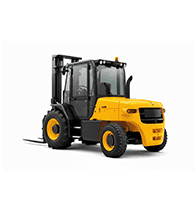
The event does not need to happen while the forks are raised. Accidents can occur while travelling, reversing, turning, parking, charging, loading or unloading. They can also involve different types of material handling equipment, from counterbalance forklifts to reach trucks and specialist machines.

The Everyday Workplace Meaning
Businesses often use “accident” as a broad term for an event that causes harm or damage. Examples include an operator hitting racking, a load falling from the forks or a pedestrian being struck by the rear of a turning truck.
Recording these events matters even if the damage looks minor. A bent rack protector or scrape on a truck may show that routes are too narrow, visibility is poor or an operator needs further familiarisation. Small accidents should be treated as warning signs.
The RIDDOR Definition of an Accident
RIDDOR uses a more specific definition. The Health and Safety Executive describes an accident as a separate, identifiable, unintended incident that causes physical injury. Gradual or cumulative exposure is not classed as an accident under RIDDOR.
This distinction is important because an internal accident record and a RIDDOR report are not the same thing. A business may record and investigate a forklift collision that damaged stock, but it will not automatically be reportable. Under current HSE guidance, a RIDDOR report is required only when the event is work related and results in a reportable injury, or when it meets another specified reporting category.
What Are the Main Types of Forklift Accident?
Forklift accidents take several forms. The risks depend on the truck, workplace, load and people nearby, but a few patterns appear repeatedly across warehouses, yards, factories and loading areas.
Forklifts Striking Pedestrians
A moving forklift can knock someone down, run over a foot or trap a person against racking, a wall or another vehicle. Reversing movements, blind corners and shared loading areas are common points of concern.
Forklifts are heavy and their rear ends swing out when turning. A pedestrian may believe the operator has seen them when visibility is actually blocked by the mast, load or surrounding stock. Marked walkways and warning alarms can help, but they should support a traffic system designed to keep people and vehicles apart.
Further forklift safety information is available for people working around lift trucks.
Collisions With Racking, Doors or Vehicles
Not every collision injures a person, but the consequences can still be serious. A forklift may weaken storage racking, damage a loading bay, strike a delivery vehicle or block an emergency route with fallen goods.
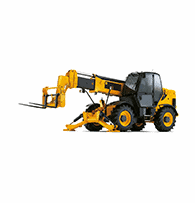
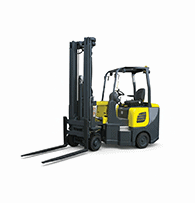
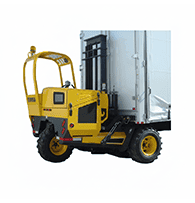
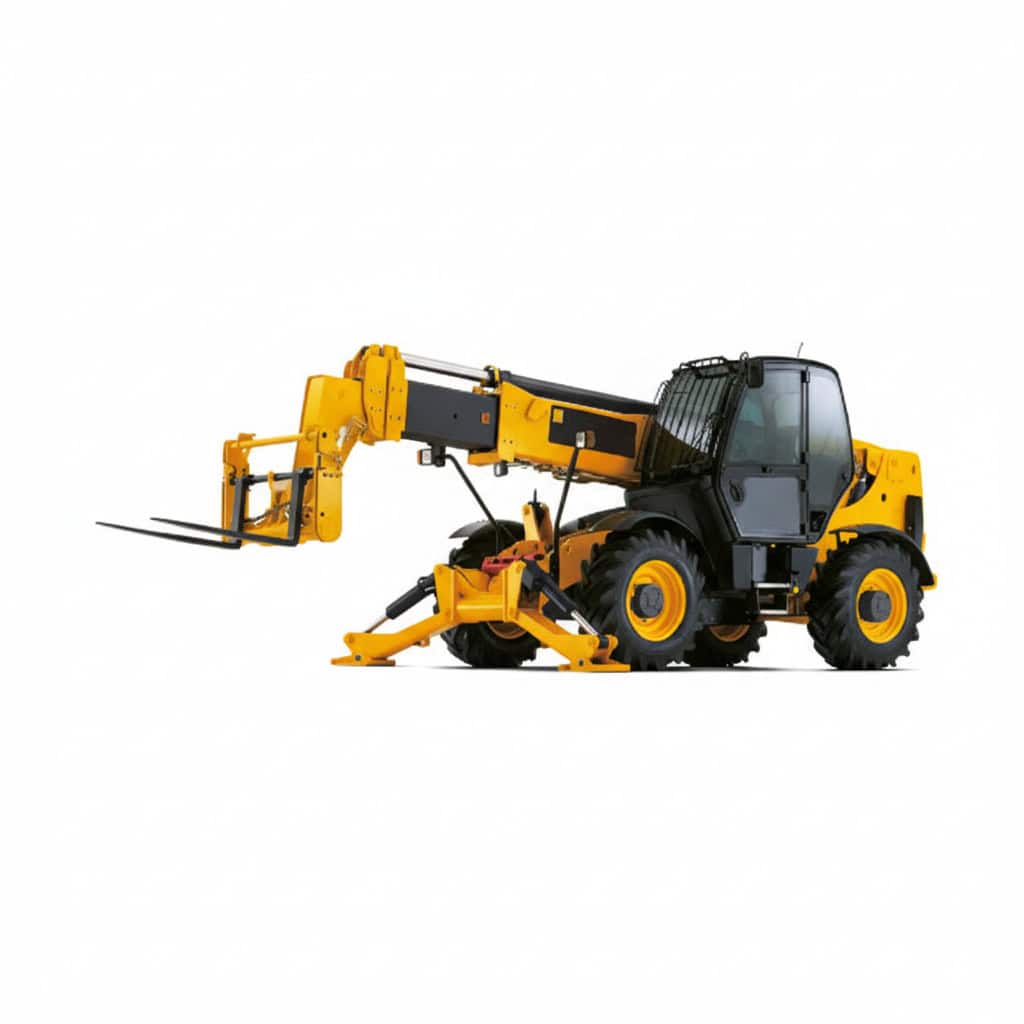
Truck design and steering characteristics also affect how incidents happen. Operators using an industrial Teletruk, a conventional counterbalance truck or a pivot steer truck need training and familiarisation that reflect the equipment they actually use.
Repeated scrapes and impacts should not be dismissed as unavoidable wear. They may point to poor lighting, narrow routes, excessive speed or a mismatch between the vehicle and the task.
Falling or Unstable Loads
A load may fall because it is damaged, poorly stacked, incorrectly positioned or unsuitable for the forks. Incorrect fork spacing, an unstable pallet and misunderstanding the truck’s capacity can all contribute.
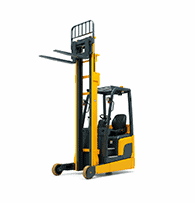
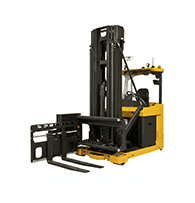
High level work using a reach truck requires careful observation and load handling. Nobody should stand or walk beneath raised forks or a supported load. Damaged pallets and unsuitable attachments should be dealt with before the lift begins, not discovered when the load is already in the air.
Forklift Overturns
Overturns can occur when a truck corners too quickly, crosses a slope, travels over an edge or handles an unstable load. Raised loads and poor floor conditions can also affect stability.
These events may be less common than small impacts but can have severe consequences. HSE guidance on overturning states that vehicle overturns cause nearly 1 in 5 deaths in workplace transport accidents. Where an operator restraint is fitted, it should be used in line with the truck’s instructions and the workplace risk assessment.
Why Do Forklift Accidents Happen?
A forklift accident rarely has one simple cause. An operator may make the final movement, but the investigation could reveal blocked walkways, unclear rules, damaged equipment or pressure to complete work too quickly.
Common contributing factors include:
- Poor separation between pedestrians and vehicles
- Blind corners, obstructed views and inadequate lighting
- Unsuitable speed for the area or surface
- Unstable, damaged or excessive loads
- Potholes, debris, slopes and loading bay edges
- Inadequate training or workplace familiarisation
- Weak supervision or unclear operating procedures
- Mechanical defects or missed daily checks
Experience alone does not remove risk. Familiar routines can encourage shortcuts. New operators may lack confidence, while experienced operators may become less alert to everyday hazards.
A useful investigation looks beyond who was driving. It asks whether the route was suitable, whether pedestrians had a safe alternative, whether the correct truck was selected and whether managers had acted on previous damage or near misses.
What Should Happen After a Forklift Accident?
The response should protect people first, then preserve enough reliable information to understand what happened. Restarting work too quickly can expose others to the same danger and make the cause harder to identify.
Make the Area Safe and Record the Facts
Stop the activity and arrange first aid or emergency assistance where required. Prevent further vehicle movement, falling stock or access to damaged racking. Equipment involved in a serious incident may need to remain out of use until it has been assessed.
Record the time, location, people involved, truck, load and task. Photographs, site plans, CCTV and witness accounts may help, but accounts should be gathered while memories are fresh. The aim is to establish facts rather than find a convenient person to blame.
Near misses should also be recorded. HSE notes that certain high potential events are classed as dangerous occurrences and may be reportable even when no injury results. The list is specific, so the responsible person should compare the event with the current RIDDOR criteria.
Investigate Causes and Review Controls
An investigation should consider immediate and underlying causes. The immediate cause might be a reversing truck. Underlying causes could include a missing barrier, poor visibility, an unsuitable delivery procedure or a supervisor allowing pedestrians into the loading area.
Corrective action should match what the investigation finds. This might mean repairing racking, changing a traffic route, improving lighting, introducing an exclusion zone or providing further training. Risk assessments and working procedures should be updated where necessary, then explained to the people affected.
Managers should check that changes work in practice. A new walkway is not an improvement if pallets are routinely stored across it by the following week.

How Can Forklift Accidents Be Prevented?
Prevention depends on more than careful driving. Employers need suitable equipment, safe routes, realistic procedures and competent people. Operators also need enough time and space to complete each task without taking shortcuts.
The strongest approach combines physical controls with training and supervision. Barriers and separate walkways reduce reliance on perfect human behaviour, while clear rules help people understand how the remaining risks should be managed.
Create a Safer Workplace
HSE recommends examining how vehicles and pedestrians move through the workplace and identifying where they interact. A traffic plan may include separate routes, controlled crossings, one way systems, speed limits, parking areas and safe arrangements for visiting drivers.
Routes should be kept clear and maintained. Mirrors, signs, lighting and alarms may support the system, but warnings cannot replace separation where reasonably practicable. Less frequent activities should also be included in the risk assessment.
Lift trucks are work equipment and must be suitable, maintained and used correctly under PUWER. Their lifting functions may also fall under LOLER requirements for thorough examination. Routine checks, servicing and thorough examination have related but distinct purposes.
Train, Authorise and Supervise Operators
HSE’s lift truck guidance sets out a minimum standard of basic training before people operate certain rider operated lift trucks, even if they use them only occasionally. Basic training should be followed by specific job training and familiarisation with the workplace.
Employers should authorise operators and monitor their work. Refresher training is not legally fixed to one universal interval, but reassessment may be appropriate after an accident or near miss, when unsafe practices appear, after a change in equipment or when skills have not been used for some time.
Suitable forklift instructor training can help organisations develop competent people to support operator standards. FT4U provides practical forklift operator training for individuals and businesses, including accredited courses where applicable. You can also learn more about the training team.
Frequently Asked Questions
Is a Near Miss a Forklift Accident?
A near miss is normally an unplanned event that did not cause injury or damage but had the potential to do so. It is different from an accident, although it should still be recorded and investigated. Certain specified near misses are reportable as dangerous occurrences under RIDDOR.
Does Every Forklift Accident Need to Be Reported to HSE?
No. Employers should record and investigate accidents internally as appropriate, but only particular work related accidents, injuries and dangerous occurrences are reportable under RIDDOR. The responsible person must assess the event against the current reporting criteria.
Can a Forklift Accident Involve Damage but No Injury?
Yes. In normal workplace language, a collision that damages racking, stock, a vehicle or the forklift itself can be described as an accident. Damage only does not automatically make the event reportable under RIDDOR, but it may reveal a serious safety problem.
Can Forklift Training Prevent Accidents?
Appropriate forklift training helps operators understand stability, observation, load handling and safe operating principles. It must be supported by workplace familiarisation, suitable equipment, supervision and a safe traffic system. Contact FT4U if you need help choosing suitable training.




