




Who Is Responsible for Forklift Safety?
Who is responsible for forklift safety? Employers have the primary responsibility for organising safe work, providing suitable equipment and ensuring adequate training and supervision. Operators, managers and other workers also have duties, but those duties do not remove the employer’s obligations.
In a busy warehouse, responsibility can become unclear when several teams share trucks, routes and loading areas. One person may arrange maintenance while another supervises drivers. Effective forklift training matters, but the workplace also needs clear arrangements for who makes decisions and follows up problems.
This guide explains the main roles using HSE guidance for Great Britain. Northern Ireland has separate legislation and enforcement arrangements, which businesses operating there should check.
Key Takeaways
- Employers must manage workplace risks and provide safe systems of work.
- Operators must follow training, use equipment correctly and report hazards.
- Supervisors need the knowledge and authority to challenge unsafe practice.
- Site controllers and contractors must coordinate activities where their work overlaps.
- Training, maintenance and pedestrian protection need clearly assigned responsibilities.
- Delegating a task does not automatically transfer a legal duty.
Who Is Responsible for Forklift Safety at Work?
Forklift safety involves several people, but their responsibilities are not identical. Employers control staffing, resources and work arrangements. Operators control the truck during use. Supervisors check that agreed procedures are followed.
The practical question is not simply whether everyone cares about safety. It is whether somebody has been given responsibility, time and authority to deal with each risk. Unclear ownership leaves problems unresolved between shifts.
Shared Responsibilities Do Not Mean Equal Duties
An operator can report a damaged walkway, but may have no authority to redesign it. A supervisor can stop an unsafe lift, but may need management approval to obtain suitable equipment. Each role should have a clear route for escalating problems.
The employer’s risk assessment duties include considering employees and others affected by the work. Simply telling everyone to be careful is not an adequate response to a known hazard.
Consider a hypothetical loading bay where a damaged barrier leaves pedestrians exposed. The operator notices the damage and stops the affected movement. The supervisor restricts access and escalates the issue. Management arranges an appropriate repair and checks whether any temporary method can be used safely. Each person contributes, but the operator’s report does not finish the business’s response.
This is why instructions should describe the next step, not merely say “report hazards”. Staff need to know how urgent concerns are handled, who can stop work and who is authorised to confirm that the area is safe to reopen.
Make Ownership Clear Before Work Starts
Write down who authorises drivers, reviews inspection records, arranges repairs and controls loading areas. Include cover for holidays and night shifts. An unresolved defect should not disappear because the person who received the report has gone home.
Keep relevant forklift safety information accessible and explain local procedures during induction. Staff should know both what to do and whom to contact when normal arrangements fail.
What Must Employers Provide?
Employers set the conditions in which forklift work takes place. Their decisions about equipment, staffing and layout can either reduce risk or make safe operation difficult.
Suitable Trucks and Safe Working Arrangements
Under PUWER, work equipment must be suitable, maintained and used by people with adequate information, instruction and training. The same principles apply when the business hires a forklift rather than owning it.
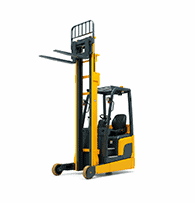
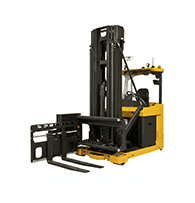
Selection should reflect the load, working space and ground conditions. A warehouse task using a reach truck differs from outdoor handling. Managers should check suitability before asking an operator to adapt to an unfamiliar job.
The system also needs enough time for checks and safe movements. Production targets should not encourage skipped inspections or unsuitable loads. When a task changes, review the equipment and method before continuing.
Safe Routes and Pedestrian Protection
HSE workplace transport guidance recommends examining where people and vehicles interact. Employers should reduce that contact through suitable routes, barriers, crossings and loading arrangements.
Walkways must remain usable. If stock regularly blocks a pedestrian route, repainting the lines will not resolve the problem. Review storage arrangements and check why the obstruction keeps returning.
Consider visitors, cleaners and delivery drivers alongside permanent staff. Lighting, floor condition and clear waiting areas matter too. Warning devices can support these controls, but should not be the only protection against moving trucks.
What Are Forklift Operators Responsible For?
Operators make decisions throughout the shift. Their role is to apply their training and site instructions, recognise unsafe conditions and stop when the work cannot proceed safely.
Follow Training and Stay Within Authorisation
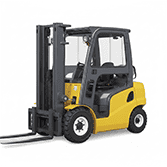
Only operate equipment covered by your training and workplace authorisation. A counterbalance training course does not automatically qualify somebody to operate every other truck category. Conversion training may be needed for different equipment.
Follow speed limits, observe the direction of travel and use fitted restraints as instructed. Check load information rather than guessing capacity. Do not take shortcuts because a task appears routine or another driver has done it before.
Employees must take reasonable care of themselves and others and cooperate with safety arrangements. HSE outlines these general employee responsibilities. Operators should raise concerns when instructions conflict with their training or the manufacturer’s requirements.
Check the Truck and Report Problems
Complete the required pre-use checks using the procedure for that truck. Report damage, defects and changes in performance promptly. A safety-related defect should be assessed before the truck returns to use.
Recording a fault is only the first step. Follow the site’s arrangements for taking unsafe equipment out of service and preventing another person from using it. Do not attempt repairs unless competent and authorised.
Report near misses too. A person stepping into a route or stock falling from a pallet may reveal a problem even when nobody is injured.

What Should Managers and Supervisors Do?
Supervisors connect written procedures with everyday practice. They should notice unsafe work, intervene and make sure concerns reach somebody who can resolve them.
That requires practical knowledge, management support and enough time to observe the workplace. A supervisor cannot maintain standards effectively if stopping an unsafe task is treated as an unacceptable delay. Their role includes checking that corrective actions actually happen.
Monitor Behaviour and Deal With Unsafe Practice
Observe work at different times, including busy periods and shift changes. Check whether operators inspect trucks, follow routes and respect exclusion areas. Speak to staff about difficulties rather than relying entirely on completed forms.
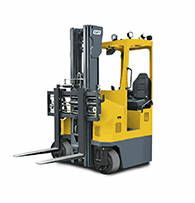
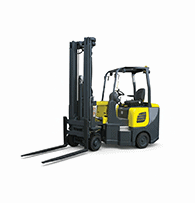
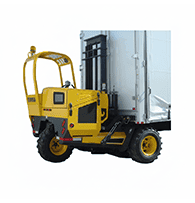
For example, repeated tight turns near a doorway may indicate poor layout rather than carelessness alone. Equipment such as pivot steer trucks has particular handling characteristics that supervisors need to understand when assessing the task.
Supervisors do not necessarily need a full operator qualification, but they need sufficient training to recognise risks and unsafe practice. Relevant technical advice should be available when the issue exceeds their competence.
Follow Through on Reports and Changes
Give each reported problem an owner and a clear next action. Record whether equipment is unavailable, whether a route is closed and what must happen before work resumes.
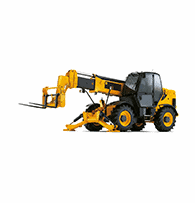
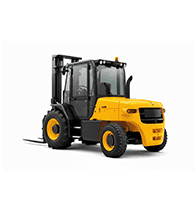
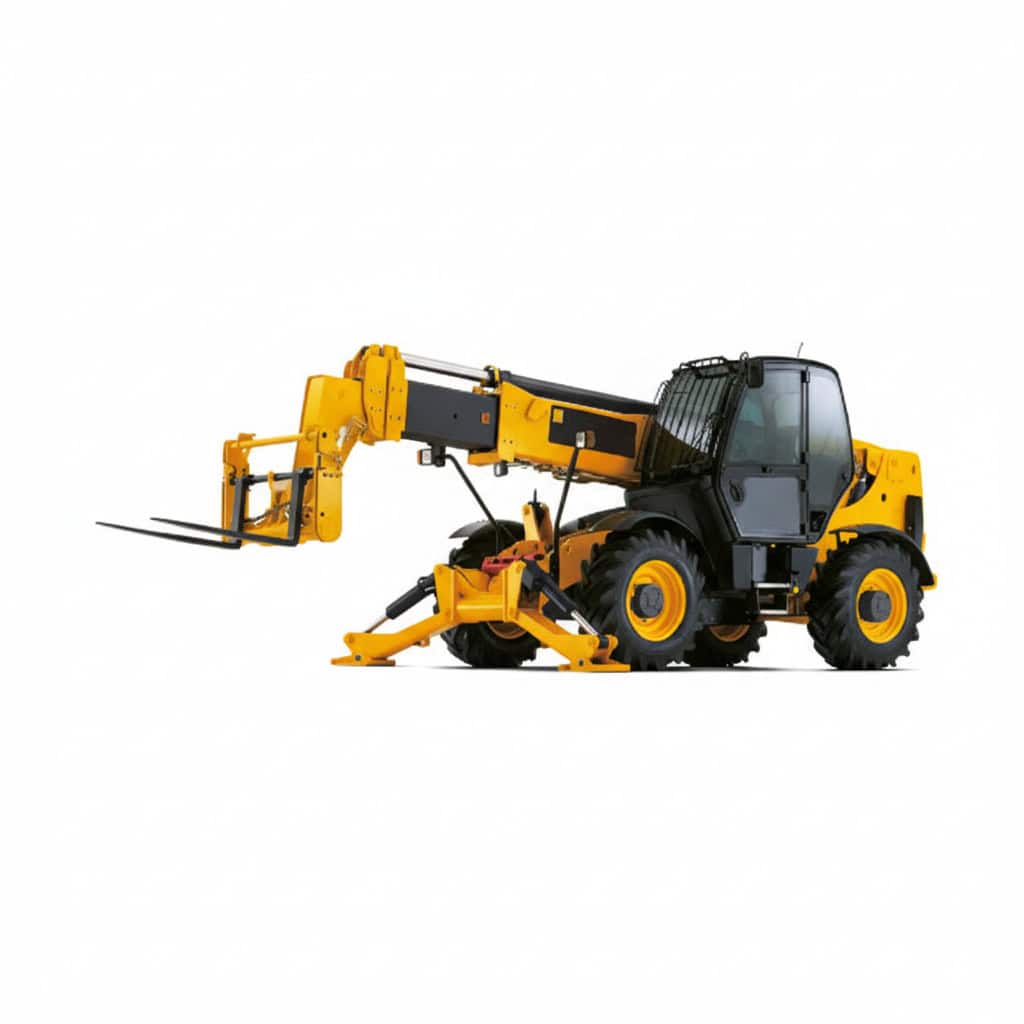
When introducing a new attachment or truck type, review instructions and competence. Moving to an industrial Teletruk, for example, should prompt a proper assessment rather than an assumption that previous experience is enough.
Explain changes to every affected shift. Temporary arrangements are particularly easy to misunderstand if they are passed on informally.
Who Handles Training, Maintenance and Contractors?
Specialist tasks may be carried out by external providers. The business still needs to select competent people, agree the scope and check that the arrangements meet its needs.
Training Providers and Employer Authorisation
HSE lift-truck training guidance identifies 3 stages: basic training, specific job training and workplace familiarisation. A provider may deliver some or all of these, so employers should confirm what the course includes.
A certificate records training; it is not unrestricted permission to operate on any site. The employer should confirm competence for the intended work and provide written authorisation. Familiarisation needs to address the actual truck, routes and tasks.
Where businesses use internal instructors, suitable forklift instructor training can support that role. FT4U provides forklift operator training for individuals and businesses, with course selection based on equipment and experience.
Review the training provider’s background alongside course content when choosing support for your team.
Maintenance, Examination and Visiting Workers
Operators perform routine checks, while competent maintenance personnel deal with repairs and servicing. The responsible business must ensure these activities are arranged, not assume the driver will organise everything.
Statutory thorough examination is separate from routine servicing. HSE guidance on thorough examination explains this distinction. Someone should track examination dates, retain reports and ensure defects receive the required action.
For contractors, agree who controls the work area and how activities will be coordinated. HSE’s guide to using contractors makes clear that both parties have responsibilities. A delivery driver should know where to wait and whom to approach without wandering into operating areas.
Never assume a visiting worker can use a site forklift merely because they drive one elsewhere. Check competence, machine familiarity and local authorisation before permitting use.
Frequently Asked Questions
Is the Employer Always to Blame for a Forklift Accident?
No. Who is responsible for forklift safety is different from who is legally liable for a particular accident. That depends on the facts, relevant duties and what each party did or failed to do. An investigation should examine equipment, routes, training, supervision and behaviour rather than assigning blame immediately.
HSE’s accident investigation guidance helps businesses identify underlying causes and take corrective action.
Can a Business Hand Responsibility to a Training Company?
A business can commission training, but this does not remove its own safety duties. It still needs appropriate equipment, workplace familiarisation, authorisation and supervision. Buying a course is one part of managing risk, not a replacement for managing the workplace.
Do Pedestrians Have Forklift Safety Responsibilities?
Workers on foot should follow site rules, use designated routes and report hazards. They should never assume an operator has seen them. However, pedestrian awareness does not replace the employer’s responsibility to organise safe movement and provide suitable protection. Visitors also need clear instructions and safe access arrangements.
How Can a Business Check Its Arrangements Are Working?
Review more than certificates and inspection sheets. Observe work, ask staff about recurring problems and confirm that reported faults lead to action. Check arrangements after changes, incidents and near misses. Make sure responsibility remains clear when staff are absent or work moves to another shift.
Understanding who is responsible for forklift safety should lead to practical improvements. Start by listing the tasks, identifying the person responsible and checking they have the resources to act. Appropriate forklift safety training supports that process.
Contact FT4U to discuss training for your operators and the equipment they use.


