






Do You Need Training to Use an Electric Pallet Truck?
Yes. Anyone using an electric pallet truck at work needs adequate training for the equipment and tasks involved. Electric pallet truck training helps operators understand the controls, handle loads safely and recognise risks to themselves and other people.
A powered pallet truck may look simpler than a larger forklift, but its size does not remove the need for instruction and assessment. Moving heavy loads through a busy stockroom or loading area requires more than knowing which button makes the truck travel.
This guide explains the training requirements in Great Britain, the difference between training and a licence, and how to choose an appropriate course. You can explore the operator training options alongside the guidance below.
Why Is Electric Pallet Truck Training Required?
Employers must ensure people using work equipment receive adequate health and safety training. The HSE overview of PUWER explains these responsibilities, including suitable equipment, maintenance, information and instruction.
The training must suit the machine, its risks and the work being performed. A quick explanation of the controls does not, by itself, demonstrate that someone can operate safely around colleagues, stock or loading bay edges.
Small Equipment Can Still Create Serious Risks
Powered travel can bring a truck or its load into contact with a person’s feet or legs. Tight spaces can leave an operator trapped between equipment and a fixed object. Damaged pallets, poor visibility and unsuitable surfaces introduce further risks.
Electric pallet truck training should help operators recognise when a task cannot proceed safely. For example, a blocked route needs resolving before the load is moved, even when a delivery is running late. Operators need a clear way to report concerns.
Occasional Users Need Training Too
Someone who only moves a pallet once a week still needs appropriate competence. Temporary staff, agency workers and employees covering another department should not use unfamiliar equipment simply because the usual operator is unavailable.
Employers should identify everyone expected to use the truck and check their training before allocating duties. Our workplace safety information provides further context for managing equipment and operating risks.
Which Type of Pallet Truck Are You Using?
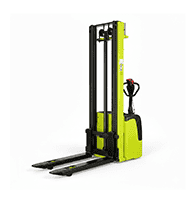
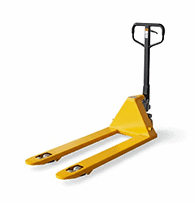
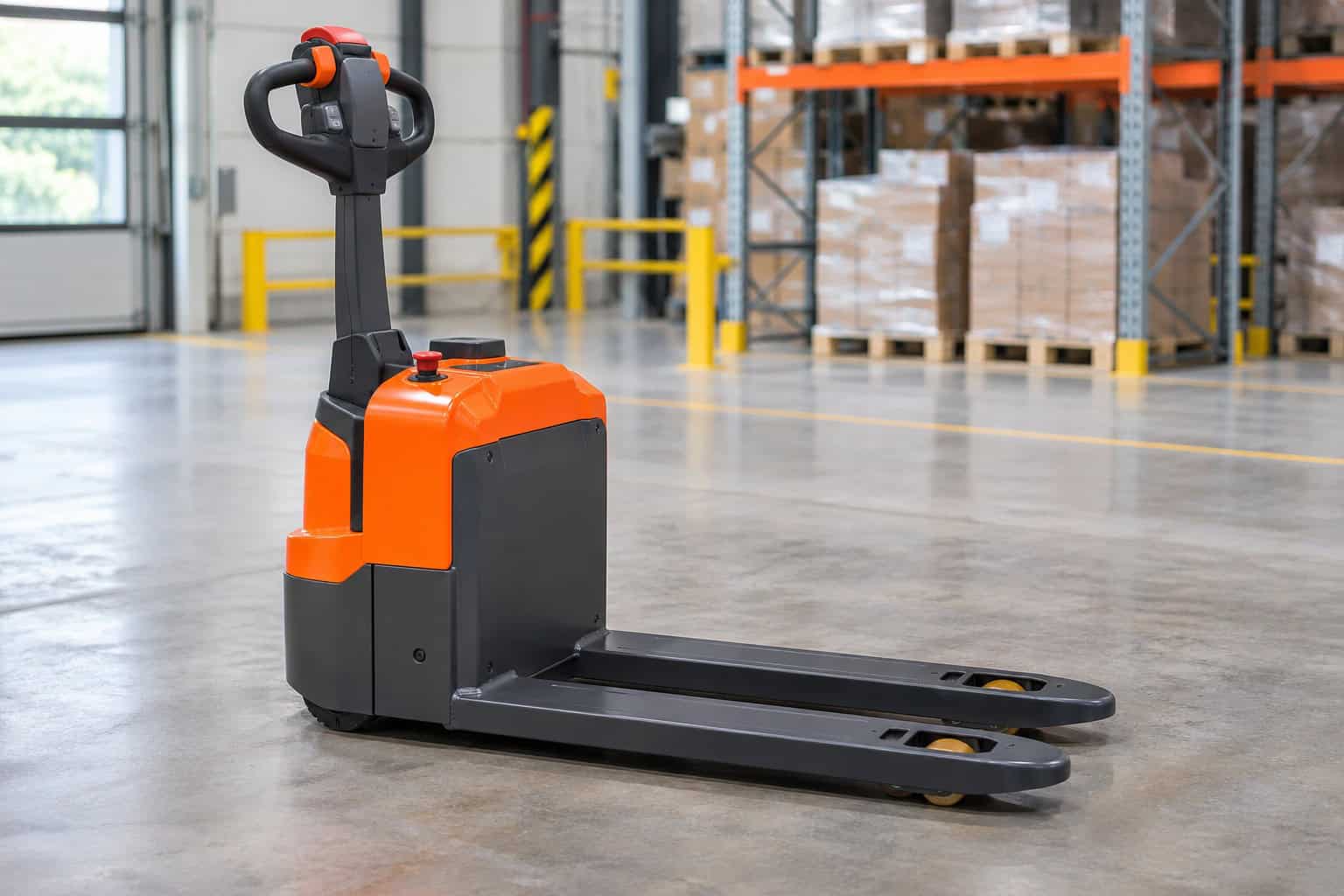
Before arranging electric pallet truck training, identify the actual machine. A manual pump truck, a powered pedestrian pallet truck and a pallet stacker do not have identical controls or capabilities.
Some trucks are operated while walking, while others have a riding position or platform. A stacker can place loads at height, introducing different handling considerations. Give the provider the make, model and intended tasks, ideally with photographs. This helps establish which training is relevant and avoids booking a course based on an imprecise equipment name.
Manual and Powered Pallet Trucks
A manual pallet truck relies on the operator’s physical effort to move the load. Powered equipment changes how movement is controlled and stopped. Familiarity with a manual truck should not be treated as proof of competence on an electric version.
Where staff use manual equipment, consider the separate manual pallet truck training information. Explain whether your workplace uses one type or a mixture before arranging instruction.
Low-Lift Trucks and Stackers
A low-lift pallet truck generally raises a pallet just enough for transport. A stacker is intended for lifting and positioning loads at greater heights. Training needs to reflect those differences rather than assuming every truck is used for racking.
The distinction also affects inspection duties. HSE’s LOLER guidance explains that simple pallet trucks which only lift loads clear of the ground for movement are outside LOLER, although PUWER still applies. Stackers used for lifting loads into storage need their applicable lifting equipment duties considered.
Do You Need an Electric Pallet Truck Licence?
There is no government-issued workplace electric pallet truck licence. People often use the word licence when referring to a training certificate or operator card. The important question is whether the person has suitable training and can use the equipment competently.
Training Evidence and Employer Permission
The HSE workplace transport FAQs distinguish workplace training from government licensing. A certificate can provide evidence of learning and assessment, but it does not give unrestricted permission to operate any truck at any site.
The employer should check what the evidence covers and decide whether further instruction is needed. Operators must also understand local procedures before being authorised for the relevant work.
Can Training Be Delivered In-House?
There is no blanket rule that every workplace equipment course must be purchased from an external provider. HSE guidance on training and competence recognises appropriate in-house training, provided it is adequate for the equipment and risks.
The person delivering it needs suitable knowledge, experience and training ability, including the ability to assess learners. A casual demonstration followed by unsupervised work is not a substitute for a properly planned process. External electric pallet truck training can help businesses obtain structured instruction and assessment.
What Does Electric Pallet Truck Training Cover?
FT4U’s electric pallet and stacker truck course page lists checks, stability, controls, battery charging, manoeuvring, load handling, theory testing and practical assessment. Because the page covers more than one equipment type, confirm which activities apply to your machine.
Checks, Controls and Safe Movement
Learners should understand how to inspect the truck using the manufacturer’s instructions, identify problems and report defects. Checks and operating procedures must match the model rather than a generic list copied from another machine.
Our guide to daily equipment checks explains the broader approach to recording and reporting concerns. Practical instruction also needs to cover starting, stopping, steering, observation and safe positioning around the truck.
For pedestrian equipment, the relationship between the operator, tiller and load matters. The instructor should explain the protective features fitted to that model and their limitations. Operators should not rely on a safety device to compensate for poor positioning.
Loads, Routes and Battery Charging
Operators need to recognise unsuitable loads, damaged pallets and tasks outside the truck’s capacity or design. Training should address the actual workplace routes, including restrictions around doors, pedestrians, slopes or loading areas where relevant.
Battery arrangements also differ. Staff should follow the instructions for the battery and charger supplied, including the site’s authorised charging procedure. An operator should not improvise a charging method or attempt repairs beyond their competence and permission.
Theory and Practical Assessment
Theory checks understanding, while practical assessment shows whether the learner can apply it. Ask the provider how assessment works for the relevant category and raise any learning support needs before the course.
The operator assessment guide explains general preparation principles. The exact tasks and criteria must come from your instructor; a generic forklift test description is not a guaranteed pallet truck examination format.
Which Electric Pallet Truck Training Course Do You Need?
The right route depends on previous training, recent operating experience and the equipment required. A beginner needs a different starting point from someone refreshing established skills or changing truck categories.
Explain your background honestly when enquiring. Include any certificates, the machines previously used and how long it has been since you operated them. Someone who feels confident may still need gaps addressed. Choosing a shorter course purely to fit a shift pattern can leave the booking unsuitable for the person’s actual needs.

Novice, Experienced, Conversion or Refresher
The course page offers four routes: novice, experienced, conversion and refresher. A novice route suits a beginner; the experienced option requires a discussion of existing ability. Conversion addresses a change in truck type, while refresher training reviews relevant existing skills.
Previous counterbalance training should not automatically be treated as covering powered pallet equipment. Share the original training details so the provider can assess what additional instruction is appropriate.
How Long Does Training Take?
The combined electric pallet and stacker page currently lists 3–5 days for novice courses, 2–3 days for experienced operators, 1–2 days for conversion and 1 day for refresher training, with 1–3 candidates.
These are the published course ranges, not a universal timetable for every powered pallet truck. Confirm the exact duration for your equipment, group and starting level before booking. Our training duration guide also explains the difference between course length and booking availability.
What Should Employers Arrange After Training?
Electric pallet truck training needs support from a safe workplace. Introduce operators to the routes, loads, reporting procedures and working arrangements they will actually encounter. Confirm what the course has covered and what site instruction remains necessary.
Workplace Familiarisation and Supervision
A learner may have practised in a clear training area but return to a crowded stockroom. Supervisors should manage that transition and check understanding before allocating independent duties. Delivery drivers and other workers also need to know where they can safely stand or walk.
HSE guidance on separating pedestrians and vehicles explains why route design and segregation matter. Training alone cannot make a blocked walkway or poorly controlled loading area safe.
Records, Monitoring and Refresher Needs
Keep records of the equipment covered, assessment outcome, workplace instruction and any operating restrictions. Make them accessible to the people assigning work, including managers covering different shifts.
Continue monitoring performance after training. A long break, unsafe practice, an incident or changes to equipment may justify reassessment. Our refresher training guide explains why a planned review should not delay action when a concern appears.
Frequently Asked Questions
Do You Need Training If You Only Move One Pallet?
Yes. A short task still involves powered equipment and potential risks. The person must have adequate instruction and competence for that work. Ask an appropriately trained and authorised colleague rather than improvising with unfamiliar controls.
Does a Forklift Certificate Cover an Electric Pallet Truck?
Not automatically. Check which category and equipment the training covered. Electric pallet truck training may be needed even where someone holds a certificate for another truck type. The employer and provider should assess the relevant experience.
Can You Complete the Training Entirely Online?
Online material can support theory learning, but it cannot by itself demonstrate practical competence on the truck. The published course includes practical assessment. Confirm how hands-on instruction and assessment will be delivered before booking.
How Do You Book the Appropriate Course?
When comparing training for your workforce, start with the work each person will do rather than the course name alone. For example, moving deliveries across a shop floor and stacking pallets in storage may require different equipment and instruction. Describe both tasks if employees will be doing both.
Contact FT4U with the truck make and model, candidate numbers, previous training and intended tasks. Include whether it is pedestrian-operated, rider-operated or a stacker. Those details help establish suitable electric pallet truck training and a realistic course arrangement.


